
Extension Today
News from and about the 1890 Land-Grant Extension SystemMessage from the Chair

Dr. Raymon Shange, 1890 Extension Administrator, Tuskegee University
Across the nation, innovative climate-informed strategies and ecological resilience practices are helping communities adapt to environmental challenges and thrive in a changing world. Through research, education and Extension, 1890 Land-grant Universities are equipping farmers, communities and students with tools to safeguard natural resources and strengthen food systems. In this issue, we highlight collaborative efforts that promote sustainability, enhance food security and ensure a healthier future for generations to come.
We hope you enjoy reading this issue and find inspiration in the work being done to create stronger, more resilient communities. As we close out the year, we extend our heartfelt gratitude for your continued support and partnership. Wishing you a joyful holiday season and a bright, successful new year filled with opportunities to grow, learn and thrive together.
Educating communities through environmental action

By Nikki Cobb
Electronic waste recycling (e-cycling) offers communities a practical way to put climate-informed practices into action. By using climate data to reduce risks, build resilience and adapt to challenges such as extreme weather, communities also help lower greenhouse gas emissions. E-cycling conserves natural resources and supports ecological resilience by extending the life cycle of materials and keeping hazardous waste out of public landfills.
Electronics are essential to modern life, yet rapid innovation leaves devices obsolete. Without recycling, items often end up in landfills, where mercury, arsenic, cadmium, lead and chromium can leach into the soil and water. By recycling e-waste, communities reduce pollution and protect both human health and ecosystems.
Earlier this year, the Alabama Cooperative Extension System at Alabama A&M University hosted an e-waste drive led by Urban Regional Extension Agents Nikki Cobb and Tierney Donnell. The Houston and Dale County E-waste Drive brought together residents in Dothan, Alabama, for a day of environmental action. Other community partners included the BETA Club of Harvest Christian School, Alpin Farms, Interstate Batteries, Assured Data Destruction and Solomon Chevrolet.
The Houston and Dale County E-Waste Drive served more than 40 patrons, resulting in the collection of more than 210 devices, including 70 laptops and cell phones, or 2,346 pounds of recycled e-waste. As a result, 5,000 pounds of carbon emissions were diverted from the environment, which equates to the recycling of 32,643 aluminum cans, 7,096 plastic bottles and the preservation of 189 trees.
E-waste drives reduce environmental harm and inspire sustainable practices that can build a healthy and more resilient future.
Using high tunnels to build farm adaptability in Mississippi
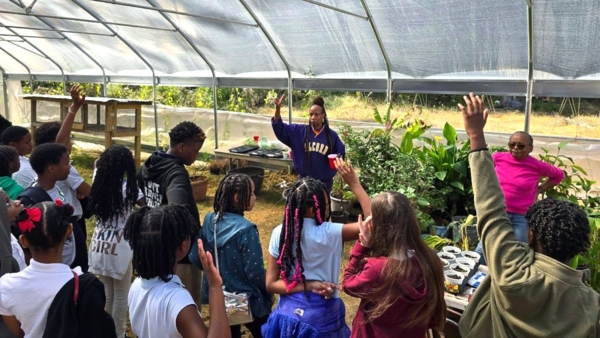
Mississippi farmers are no strangers to weather extremes. Heavy rainfall, shifting planting windows and sudden temperature changes have become increasingly common, complicating crop production across the state.
According to the Mississippi State Climatologist’s Office and the National Oceanic and Atmospheric Administration, Mississippi has experienced an increase in extreme rainfall events and greater variability in seasonal weather patterns over recent decades. These conditions can delay planting, damage crops and shorten effective growing seasons, particularly for small and limited-resource producers.
As weather patterns grow less predictable, agricultural experts emphasize the importance of adaptable production systems that allow farmers to manage risk rather than react to losses. One such tool is the use of high tunnels, also known as hoop houses.
High tunnels are unheated, plastic-covered structures that rely on passive solar energy to protect crops from excess rainfall, wind and temperature fluctuations. By modifying the growing environment, they allow farmers to plant earlier in the spring and harvest later into the fall, extending the growing season beyond what open-field conditions typically allow in Mississippi.
The U.S. Department of Agriculture recognizes high tunnels as a climate-informed practice because they help stabilize production and reduce weather-related crop losses without the need for energy-intensive infrastructure.
The Alcorn State University Extension Program (ASEP) is using its Model Farm to demonstrate how these systems function under Mississippi conditions. During a recent Model Farm event, ASEP provided hands-on demonstrations, showing how hoop houses can help farmers adjust planting and harvest schedules while protecting crops from excessive rainfall and temperature variability.
Sustainability curriculum created for 4-H programming
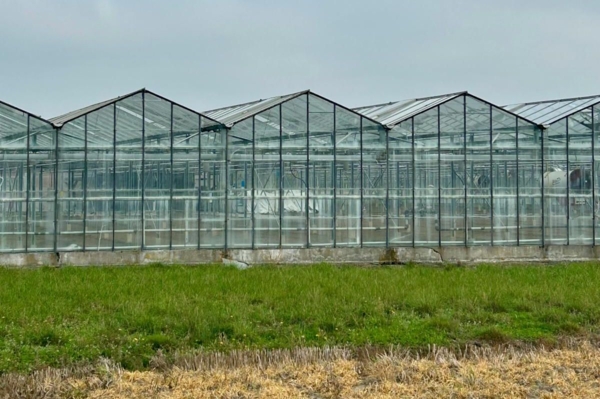
Central State University Extension is partnering with Ohio State University, the Midwest Climate Hub and the Agriculture and Food Research Initiative (AFRI) to help youth learn about climate-smart technologies and techniques for agriculture.
Curriculum has been developed for youth programming in three areas: climate-smart gardening, composting and reducing carbon footprints. The curriculum ties in with the national 4-H focus on Beyond Ready to help youth develop essential life and workforce skills such as responsibility, critical thinking, teamwork and leadership, while reducing landfill waste, lowering greenhouse gas emissions and fostering sustainable practices that support a healthier future.
Several of the lessons included in the curriculum were pilot tested at the STEAM summer camps conducted by Central State University. The students participated in activities to reduce waste and show responsibility, critical thinking related to lowering emissions and carbon footprint, developing composting systems that include monitoring and applying the finished product, and building awareness by learning communication skills.
The curriculum is designed to help 4-H members have an impact in their communities and show leadership. Youth are encouraged to lead sustainability efforts to demonstrate leadership and civic engagement. CSU Extension will continue to track pilot feedback, curriculum revisions and replication potential as more youth are able to participate in programs with the new curriculum.
Climate-smart strategies: Biochar, cover crops in collard green production
Collard greens (Brassica oleracea) remain an important vegetable crop in the southeastern United States, valued in both traditional cuisine and modern school nutrition programs. As interest grows in sustainable, resilient food systems, researchers are exploring practices that enhance production while strengthening soil health.
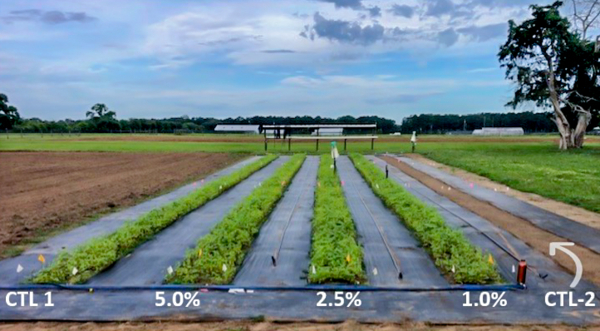
At the Florida A&M University Research and Extension Center in Quincy, Florida, a multi-year study is evaluating the climate-smart potential of combining biochar amendments with the cover crop buckwheat (Fagopyrum esculentum). The goal is to understand how these practices influence soil structure, moisture retention and overall ecological resilience in collard green production.
Biochar treatments of 0%, 1.0%, 2.5% and 5.0% were incorporated into native sandy clay loam soils across experimental plots. Collards were planted in late fall and harvested in late winter, followed by two seasonal plantings of buckwheat to promote soil cover, nutrient cycling and increased biological activity.
Preliminary findings show no significant differences in collard yield among the biochar treatments compared to the control. However, soil-building strategies often reveal benefits over multiple seasons as organic matter accumulates and microbial communities respond. The study includes annual yield measurements and soil core sampling to monitor changes in soil health, carbon retention and other indicators of long-term productivity.
By examining how biochar and cover crops interact in real production settings, this research supports the development of sustainable practices that help small-scale growers maintain yield while adapting to changing climate conditions.
FVSU drives global agricultural resilience
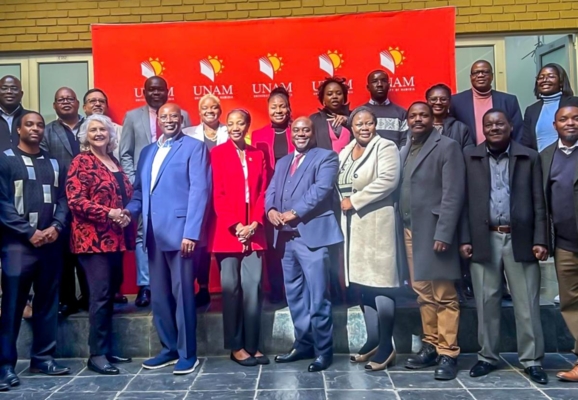
Fort Valley State University (FVSU) is advancing ecological resilience through climate-informed practices and international partnerships.
Cedric Ogden, Ph.D., FVSU Extension engineer and state coordinator for the Southern Sustainable Agriculture Research and Education (SARE) program, recently traveled to Windhoek, Namibia, as part of a research team under the IDEAS capacity-building grant. Led by principal investigator Rayton Sianjina, Ph.D., the project, “Establishing a Consortium and Cultivating Leaders Between FVSU and Selected Sub-Saharan Institutions,” aims to strengthen global collaboration in agricultural research and education.
Ogden shared expertise in renewable energy systems, precision agriculture and digital tools, areas critical for addressing climate challenges. His leadership has helped FVSU develop one of the largest solar farms on a United States college campus, generating approximately 11 megawatts of clean energy. During the July visit, the working group focused on climate, energy, environment, innovation and global health, fostering strategies to improve food systems and sustainability.
The initiative seeks to expand study abroad programs, enhance research agendas and integrate cutting-edge technologies. FVSU is exploring artificial intelligence platforms used by the University of Zambia to monitor forest growth and recommend practices based on environmental conditions. These collaborations underscore FVSU’s commitment to climate-smart agriculture and ecological resilience. Plans include hosting Sub-Saharan students and faculty in Fort Valley, continuing knowledge exchange and leveraging technology to build sustainable solutions worldwide.
Langston University advances ecologically resilient horticultural systems
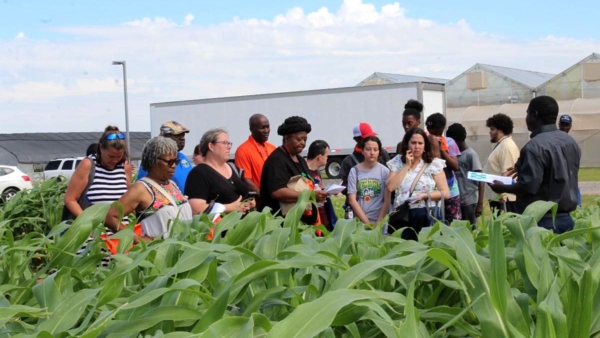
The Horticulture Education and Research Center (HERC) advances ecologically resilient agricultural systems that strengthen specialty crop production across Oklahoma.
By integrating science-based practices with hands-on producer engagement, HERC focuses on improving soil health, increasing productivity and enhancing long-term economic and environmental sustainability. Research centers on high-value crops such as purple hull peas, sweet corn, tomatoes, okra, peppers and other diversified vegetables.
A key pillar of HERC’s system is the strategic use of multi-species winter cover crops such as cereal rye, radish and hairy vetch. Together, these crops build soil structure, improve water infiltration, suppress weeds and enhance nutrient cycling. Hairy vetch provides natural nitrogen, radish breaks up soil compaction and cereal rye delivers biomass and erosion control. This integrated approach reduces production inputs while creating healthier, more resilient soils for subsequent crop rotations.
Complementary practices, such as compost application, reduced tillage, mulching and ongoing soil health monitoring, further support ecological resilience and optimized nutrient management.
HERC extends its findings through annual field days, demonstration plots, workshops and producer trainings across Oklahoma and surrounding states. These programs equip growers, students and community partners with practical tools and research-backed strategies that strengthen local agriculture, expand specialty crop production and contribute to regional food security.
Lincoln University targets soil resilience for weather challenges
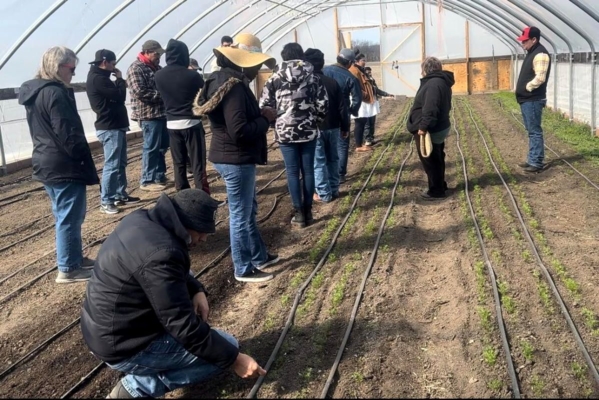
Lincoln University of Missouri (LU) launched a project aimed at collecting and implementing producer feedback to address weather-related challenges farmers face.
The project, "Ecological Resilience and Extreme Weather Events: Impacts on Farmers, Landowners and Communities," brings Cooperative Extension and research together to gather producer input, document field-level observations and understand how growers interpret sudden weather changes, adjust their management and protect their land over time.
Producers who participate in LU’s data collection efforts describe how rapid weather changes affect their fields, what adjustments they already use and what support would help them remain productive. Early results show consistent themes across Missouri: growers recognize increasing variability in conditions and express interest in methods that strengthen soil and support more reliable harvests.
Findings from LU’s analysis and field observations highlight the connection between sudden weather stress and the need for stronger soil systems. Producers are responding by adopting approaches that build and protect soil structure — methods to help fields hold moisture during dry periods, shed excess water after heavy rain and support crops through temperature swings.
These soil-focused practices give producers more control over how their fields respond to unpredictable conditions, providing a steadier foundation as weather patterns become more challenging to predict.
Student 'chats' tackle agricultural issues

Friendly, but impassioned, debate on pros and cons of various issues in agriculture engaged students in Ag Chat sessions, held during this year’s Small Farms Week at North Carolina Agricultural and Technical State University.
Students from the College of Agriculture and Environmental Sciences gathered for Animal Science Ag Chats, discussing issues surrounding lab-grown meat, which involves taking animal tissue samples and cultivating the cells to produce meat. Karla Branch, a senior studying animal science and research scholar, said she sees social media influencers touting natural and organic foods.
“I can see some really strong pushback, with the foods you eat being politicized,” said Branch, the corresponding secretary for N.C. A&T’s collegiate Young Farmers and Ranchers chapter. “What's interesting is that younger generations, like millennials and Gen Zers, are more open to consuming lab-grown, cell-cultured or insect alternative proteins.
“It does look like that is the way that the tides are shifting, and it is something that, as animal scientists, we could potentially be competing with or move forward behind the scenes,” she said.
Cell-culture meat has the potential to reduce greenhouse gas emissions as well, if produced using renewable energy, she noted. Traditional livestock contributes to 14.5% of global greenhouse gas emissions.
Madison Petersen, an animal sciences major and Undergraduate Research Scholar, noted the harm cultured meat could pose to rural economies.
“If people really do come around to cultured meat, … then that will take away business from these rural communities and traditional farmers who rely on their consumers to purchase from them,” she said.
SC State PSA hosts climate-informed workshop to strengthen farm resilience
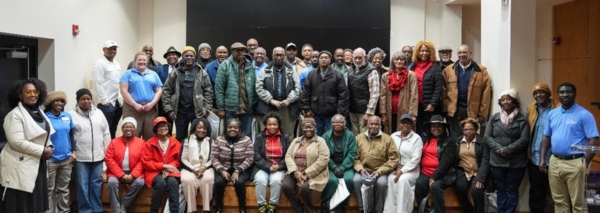
South Carolina State University 1890 Research & Extension hosted the Perception of Adverse Weather Events and Changing Weather Patterns workshop on Dec. 15, 2025. The workshop focused on climate-informed practices and ecological resilience, equipping farmers with tools to withstand the financial and operational impacts of changing weather patterns.
The workshop aimed to enhance farmers’ understanding of tax obligations, raise awareness of available deductions and incentives, improve record-keeping skills and support effective business planning. Maintaining accurate records and employing informed tax strategies are vital for the long-term sustainability of farms as climate variability increasingly affects production cycles.
The workshop also addressed farm insurance and risk management, led by Darrell Tennie from the Tennie Agricultural Group. Tennie emphasized the importance of protecting agricultural operations from climate-related risks. He advocated for proactive risk-management strategies and promoted awareness of available insurance options to enhance overall financial resilience against adverse weather events.
Dr. Joshua Idassi, state program leader for sustainable agriculture and natural resources, highlighted the necessity of aligning financial planning with climate awareness.
He stated, “As weather patterns shift, farmers need production knowledge, financial tools and risk-management strategies to adapt and remain viable. This workshop reflects our commitment to helping producers build resilient operations that can withstand environmental and economic challenges.”
Through education and engagement, SC State Public Service & Agriculture continues to support South Carolina’s farmers by promoting informed decision-making, ecological resilience and sustainable agricultural practices.
Stronger soils, stronger herds: Climate-informed farming in Louisiana
By Cornelius Jackson
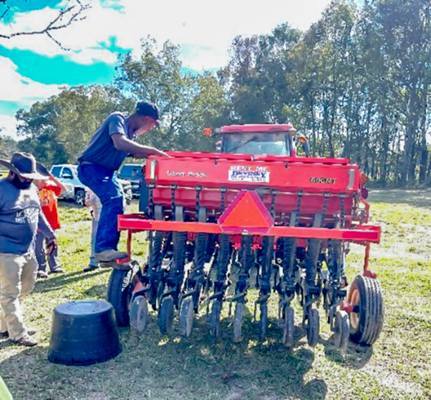
In rural Louisiana, small farmer and cow calf producer Jerome Carney had long felt the strain of shifting weather patterns. He knew the future of his herd depended on healthier soils and climate-informed management. That’s why his farm became the host site for a Soil and Forage Management Workshop dedicated to strengthening ecological resilience across his farm.
Farmers, technical experts and community partners gathered on Carney’s land to explore climate-smart practices. Hands-on demonstrations in soil management showed how building organic matter, reducing disturbance and using strategic nutrient plans create fields that endure seasonal extremes. Participants watched a no-till planter, provided through Restoring Faith Organization, illustrating how conservation planting reduces erosion, improves soil structure and boosts long-term forage production for grazing herds.
Inside the workshop tent, discussions on forage and livestock management emphasized the deep connection between soil health and herd performance. With richer soils came better forage quality, steadier weight gains and grazing systems that recovered more quickly after storms or dry spells.
Muse3 Farms, staff from the Southern University Ag Center’s Agriculture and Natural Research and representatives with the Louisiana Department of Agriculture also shared program updates and management tools to help producers adopt these climate-smart changes with confidence.
Through shared learning and strong partnerships, the workshop highlighted a path toward more resilient cow-calf operations embedded in healthy soils, informed choices and a community committed to thriving in a changing climate.
Drone-based research supports climate-informed practices in crop management

Tennessee State University’s College of Agriculture (TSUAg) is advancing climate-informed practices with a new grant-funded research project led by Agricultural Science and Engineering Assistant Professor Dr. Behnaz Molaei.
The project, awarded $727,000 from the U.S. Department of Agriculture's (USDA) National Institute of Food and Agriculture, uses drone-based imagery and precision sensors to improve irrigation management and enhance ecological resilience in diverse cropping systems.
Molaei’s work focuses on refining an Unmanned Aerial System-based energy balance model to estimate geospatial crop water use. By examining crops in both dry (Texas) and rainy (Tennessee) regions, her team aims to develop an artificial intelligence–driven model for site-specific irrigation scheduling. This approach allows growers to answer the critical questions: “How much water do crops need?” and “When should it be applied?”
“Getting the grant is important, but knowing I’m addressing a real need is even more valuable,” says Molaei. Her project integrates soil, plant and atmospheric sensors with high-resolution drone imagery to monitor evapotranspiration and improve water efficiency across fields.
The research also provides hands-on training for TSUAg undergraduate, master and doctoral students, allowing them to engage directly in USDA-funded research. Molaei collaborates with USDA Agricultural Research Service scientists Drs. Steven Evett and Gary Marek and Dr. Xin Zhang of Mississippi State University to incorporate high-quality data into the model.
By linking technology, data and applied research, Molaei’s project not only advances irrigation management but also strengthens ecological resilience in U.S. agricultural systems, helping crops thrive under variable climate conditions.
TUCEP collaborates with others in small ruminant systems

Tuskegee University, in collaboration with Alabama A&M University and Langston University, and a broad coalition of agricultural stakeholders, has completed a critical phase in its ongoing initiative to modernize small ruminant production systems.
This work directly supports the U.S. Department of Agriculture's Natural Resources Conservation Service administration’s agrarian priorities, including:
- Empowering rural America through education, infrastructure and innovation.
- Expanding domestic market access for small and limited-resource producers.
- Reducing regulatory burdens to promote local processing and entrepreneurship.
- Strengthening food system resilience through sustainable, diversified production.
Through applied research, targeted outreach and practical demonstration, the work laid a strong foundation for enabling producers to access premium, value-added markets, both domestically and internationally.
A few achievements were Strengthening Rural Capacity through Climate-Resilient Forages and Silvopasture. This phase focused on implementing silvopasture systems and conducting outreach, both of which align with revitalizing rural economies and reducing barriers to market entry.
Future goals for the Scaling Innovation and Expanding Market Reach will build on the success of the current phase. The next stage of the project will focus on:
- Expanding silvopasture systems and climate-resistant year-round forage systems to additional farms and regions.
- Deploying mobile slaughter units to increase rural processing capacity and reduce transportation burdens.
- Enhancing LINC with real-time traceability, certification modules and mobile functionality.
- Establishing regional innovation hubs to demonstrate scalable, market-ready production models.
- Strengthening partnerships with processors, certifiers and institutional buyers.
- Launching a certification readiness program to help producers meet standards for organic, grass-fed, humane and climate-smart markets.
- Developing producer-led branding initiatives to support niche marketing and value-added labeling.
UAPB signs MOU with National Black Growers Council, Ducks Unlimited for Lonoke Farm advancements
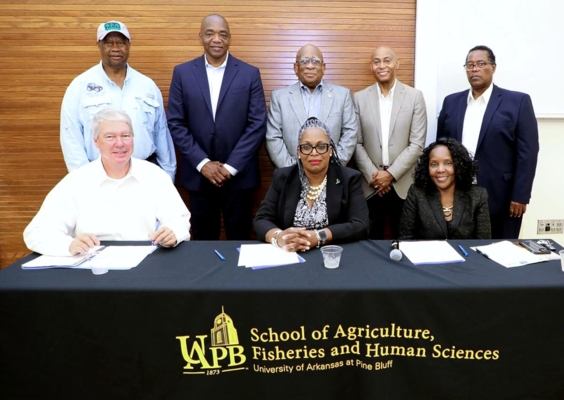
The University of Arkansas at Pine Bluff (UAPB) hosted a memorandum of understanding (MOU) signing ceremony earlier this year in collaboration with the National Black Growers Council (NBGC) and Ducks Unlimited for the Pearlie S. Reed/Robert L. Cole Small Farm Outreach Wetlands and Water Management Center on the UAPB Farm in Lonoke, Arkansas.
The MOU consisted of a collaborative effort to make changes to improve drainage and recover run-off and to find methods to save water on the Lonoke Farm. The memorandum also outlined the commitment to offer assistance to producers as it relates to wetlands and technological advancements.
Dr. Bruce McGowan, interim vice chancellor for academic affairs at UAPB, was the master of ceremonies. Also featured were Julius Handcock, Lonoke Farm resident director; Dr. Andrea Stewart, interim university chancellor; Dr. Dawn A. Mellion, executive director of NBGC; and Dr. Scott Manley, director of agriculture support, Rice Stewardship Partnership with Ducks Unlimited.
“This is a collaborative effort for the Lonoke Farm to advance markets for producers and modernize the infrastructure and technology on the farm,” said McGowan.
The MOU outlines the planned collaboration among all participating parties, including the provision of staff to plan, design and implement conservation practices on Lonoke Farm. These practices will aid in the development of sustainable production while benefiting waterfowl and other wildlife.
How alley cropping can boost farm profits
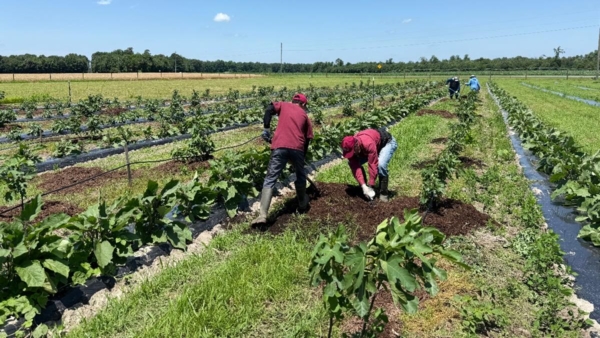
The University of Maryland Eastern Shore Extension taught small-scale farmers in its service region about alley cropping and associated ecologically friendly practices.
Alley cropping involves planting vegetables or herbs between rows of fruit trees or shrubs, said Lila Karki, an associate professor of agricultural economics and Extension specialist. The agroforestry practice can provide farm income streams through the cultivation of a variety of profitable crops while improving soil and air health.
Karki worked individually with farmers to establish 11 on-farm demonstration sites, as well as four in community spaces, and hosted training workshops and field days. He highlighted companion crops that work well in the system, how farmers can utilize land efficiently and ways to reduce water consumption, fertilizer and other production costs.
At one of the farm demonstration sites, a seasoned alternative crop grower in Somerset County, Maryland, planted nearly 100 pecan trees in rows on an acre with squash, eggplants, bell peppers and cantaloupes between the rows. She found that squash and cantaloupe outperformed.
In Caroline County, Maryland, a 21-year-old beginning farmer piloted a fig-based (131 trees) alley cropping system on his family’s farm. The Crisfield (Maryland) Community Garden featured an apple, peach and fig tree-based system, while a Somerset County high school planted a fig and persimmon-based system in a garden.
Some of the agricultural practices adopted were rainwater harvesting, drip tape irrigation systems, composting, application of natural mulch, minimal tillage, cover cropping and integrated pest management, Karki said.
VSU explores climate-resilient, sustainable food production
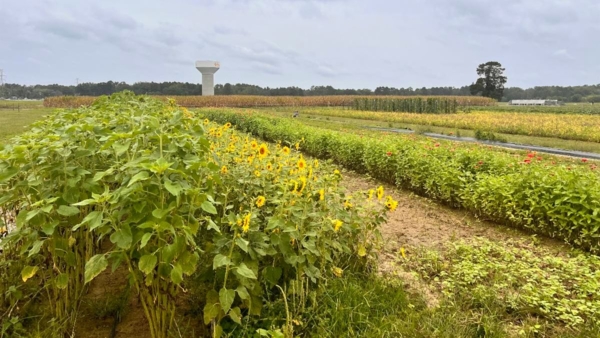
From food production to environmental conservation, researchers are experimenting with various approaches to increase resilience and sustainability to address climate change’s pressures. At Virginia State University (VSU), Extension specialists are exploring solutions to climate change’s impacts on agriculture, including indoor food production and farm ecosystem resiliency.
Extreme weather events, hotter temperatures and variable rainfall make traditional food production more challenging. At VSU, Joshua Dusci focuses on sustainable indoor and soil-less agriculture. Controlled Environment Agriculture (CEA) uses resources more efficiently for year-round food production. Dusci notes that CEA can produce specialty crops more cost-effectively than traditional agriculture and that aquaculture is advancing with sustainability.
“For the first time in 2021, aquaculture produced more than 50% of seafood for human consumption compared to wild fisheries,” Dusci explains. “This number is only expected to grow as wild fisheries face strain from climate, pollution and other human pressures.”
VSU’s Peter Coffey notes that scientific communities expect pest insect ranges to change with changing climates, as well as pests’ ability to overwinter in the absence of sufficient freezing temperatures, increasing the need for responsible integrated pest management.
“These factors speed the evolution of resistance to pesticides, increasing the need for integrated, multi-pronged approaches,” Coffey says.
Aligning with this effort is Dr. Zelalem Mersha, who is exploring ways to increase resiliency through cover crops. Not only are pest ranges expected to expand, but plant diseases as well. “Cover crops build healthier soils and support pollinators and other beneficial arthropods,” says Mersha.
WVSU Extension educators, researchers collaborate on multistate project on adverse weather events
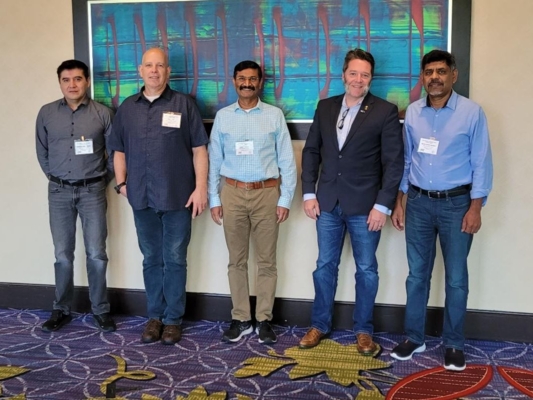
Staff members from West Virginia State University (WVSU) Extension Service’s Community Vitality and Economic Development (CVED) program area are collaborating with university researchers, as well as other 1890 Land-grant Universities, on a multistate integrated project focusing on adverse weather events. The goal of the research and outreach effort is to assess weather variabilities and develop and disseminate technologies and management practices in Appalachian farming communities.
“I am excited for this opportunity to work alongside our university researchers on an important national project as it builds new relationships to collaborate in the future,” said CVED Program Leader Adam Hodges.
WVSU’s efforts focus on identifying drought- and flood-susceptible zones in the central Appalachian region; improving crop resiliency to abiotic stresses (e.g., increase in temperature and solar radiation); evaluating the impact of the use of biochar as a soil carbon amendment conservation practice on regional soils; and conducting outreach activities to inform and demonstrate these practices among local farming communities.
Extension staff is working to distribute surveys to farmers and community members over the next few months and deliver the data to the WVSU research team for inclusion in the national effort. As the project continues, Extension staff will translate additional research outcomes into outreach content, which will be demonstrated and delivered through methods such as workshops, field days and other activities.