
Extension Today
News from and about the 1890 Land-Grant Extension SystemMessage from the Chair

Dr. Raymon Shange, 1890 Extension Administrator, Tuskegee University
Across the 1890 Land-grant Universities, Cooperative Extension continues to be a vital force in advancing the well-being of families and communities. This issue of Extension Today highlights the innovative and culturally responsive efforts underway to improve nutrition, health and safety in the communities that we serve.
From teletherapy in Louisiana to maternal health in Ohio, Extension professionals are leveraging research, partnerships and local knowledge to address persistent wellness issues and promote healthier lifestyles across our region and beyond.
As we spotlight these impactful programs, we also celebrate the leadership and collaboration that make them possible. The work of Extension in the 1890 region reflects a deep commitment to opportunity, resilience and empowerment, which are the values that guide our mission to serve all families with dignity and care.
Whether through expanding access to nutritious foods, enhancing safety in homes and workplaces or fostering intergenerational health literacy, our collective efforts are shaping stronger, healthier communities for the future.
Ways to combat childhood obesity
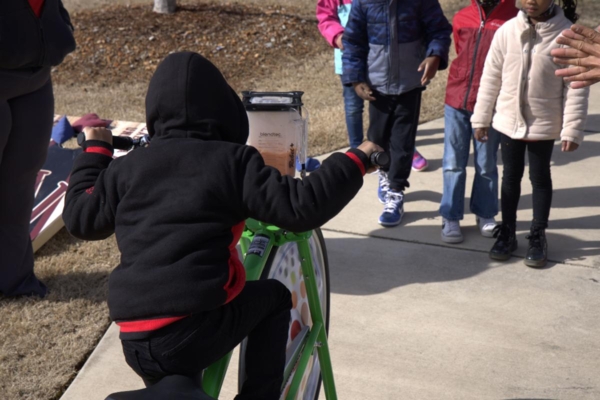
By Shavita Wood-Warren
Childhood obesity impacts countless families. It is more than a personal health matter; it is a community challenge. Children who are overweight face higher risks of chronic health problems. According to the State of Childhood Obesity, Alabama is one of seven states with significantly higher childhood obesity rates (23%) compared to the national rate of 17%.
Every family can take steps to combat childhood obesity by:
- Choosing local produce. Farmers markets and community-supported agriculture programs provide access to fresh and affordable produce.
- Getting active together. Families can enjoy biking, walking trails, yoga and dance parties. Children aged 3 to 5 should engage in physical activity throughout the day, and children aged 6 to 17 should participate in at least 60 minutes of moderate to vigorous physical activity daily.
- Cooking at home. Preparing meals together provides children with hands-on experience with healthy foods and fosters lifelong skills.
- Encouraging healthy food and beverage choices. Rethink drink choices by replacing sugary beverages with water and opting for nutritious baked goods and fresh fruits and vegetables instead of fried or fattening foods.
The Alabama Cooperative Extension System at Alabama A&M University also offers health and nutrition education through its Mobile Nutrition Lab. Make a commitment to children by helping reduce childhood obesity rates, improving nutrition security and giving every child the chance to grow up healthy, active and confident.
Alcorn Extension brings hands-on health, nutrition education to rural Mississippi families
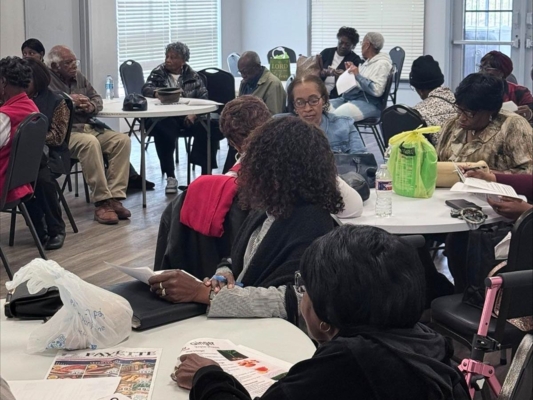
Mississippi continues to face some of the nation’s most challenging health outcomes, with 40.1% of adults classified as obese and high rates of diet-related illnesses affecting families across the state (America’s Health Rankings, 2024).
In rural regions, limited access to fresh foods and preventive care makes everyday wellness even harder to maintain. To help address these needs, the Alcorn State University Extension Program (ASUEP) introduced its Plants for Health: The Benefits of Healing Plants workshop. The program was designed to show families that many of the tools for healthier living can be found in the plants growing around them.
Research from the National Center for Complementary and Integrative Health (NCCIH, 2024) shows that plant-based home remedies, when used safely, can support nutrition, assist with minor health concerns and contribute to overall wellness in affordable, accessible ways.
Extension educator Trerekiah Cruel said her motivation came from wanting residents to reconnect with the land. “The land is medicinal, and healing comes from the earth,” she said. “Many of the plants we walk past every day have real benefits for our bodies. Our backyards are filled with medicine — we just have to learn how to use it responsibly.”
During the workshop, participants practiced preparing teas, salves and simple home treatments while learning how to use natural remedies safely as part of a balanced lifestyle. ASUEP is helping communities build healthier habits, reduce preventable health risks and strengthen the connection between people and the natural resources around them.
She, Me, Her: Because no mother should walk alone
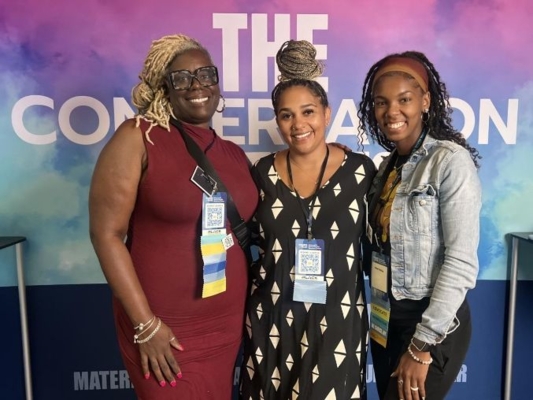
By Crystal Duckett, Communications & Media Specialist
For many expectant mothers, pregnancy is a period of joy, anticipation and challenge. Balancing changing bodies, family responsibilities and access to care can be overwhelming, especially in underserved communities.
Recognizing these challenges, Central State University Extension (CSUE) launched the She, Me and Her Maternal Health Program on June 1 to provide free, comprehensive support for pregnant and postpartum women.
This program connects mothers to virtual and in-person services through CSUE, including certified doulas (women who assist fellow women during labor and after childbirth), licensed dietitians, nutrition educators and CSUE’s Health Education Mobile Unit (HEMU). This collaborative care model ensures that “no mother faces this transition alone,” according to the doula ethos. Participants receive four virtual doula sessions, one per trimester and one postpartum, offering emotional reassurance, birth preparation and professional guidance.
In Ohio, the maternal mortality rate is 23.8 deaths per 100,000 live births, with Black women more than two and a half times more likely to die from pregnancy-related complications than women of other ethnicities, according to a 2023 report by the Ohio Department of Health. Programs like She, Me and Her directly address these disparities by providing culturally competent, community-based care that prioritizes prevention, education and emotional support.
“Our approach nurtures the whole person,” said Kylee Peoples, CSU Extension educator and doula for Southern and Southwest Ohio. “Pregnancy is not one-dimensional, and neither should the care be. We offer support that meets women where they are, whether virtually, in the classroom or in their own neighborhoods.”
Eat to Grow: Building Healthy Bodies and Minds
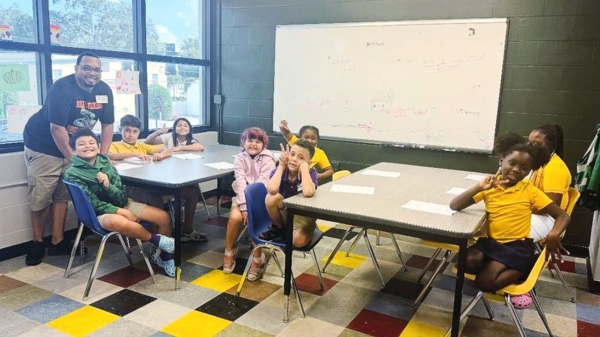
As a Cooperative Extension agent with Florida A&M University, Maurice Collier is dedicated to empowering individuals, families and communities to live healthier and more fulfilling lives. Through research-based education and hands-on learning, he strives to make nutrition, health and food safety both accessible and engaging.
One of Collier’s key initiatives, Eat to Grow: Building Healthy Bodies and Minds, teaches children aged 5–13 about the nutritional value of fruits and vegetables. The program helps young people understand where their food comes from, what nutrients it provides and how to prepare it in fun and healthy ways. Participants have explored foods such as dragon fruit, peppers, tomatoes, potatoes and sweet potatoes. Each session includes interactive activities from learning how foods are grown and identifying their vitamins and minerals to preparing simple dishes and sampling new foods.
The Eat to Grow program goes beyond basic nutrition lessons. It builds confidence, encourages healthy habits and connects children to the importance of agriculture and wellness. By combining education, exploration and taste, the program empowers youth to take an active role in their health and inspires families to do the same. Through efforts like this, Florida A&M University Cooperative Extension continues to foster stronger, healthier communities one child and one meal at a time.
Fort Valley State Extension promotes healthy eating at Fountain City Classic
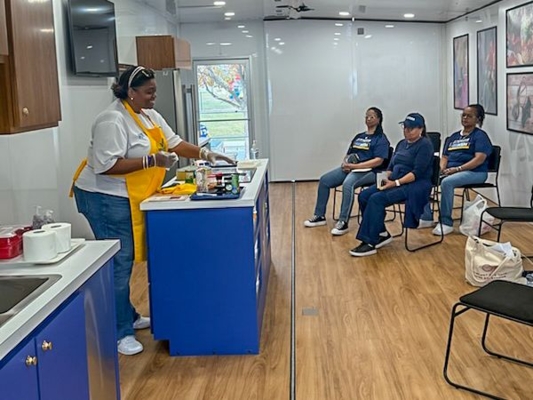
Kena Torbert, family life specialist with Fort Valley State University’s (FVSU) Cooperative Extension Program, brought health and wellness to the forefront during the Fountain City Classic in Columbus, Georgia. Utilizing the Mobile Health Unit, Torbert engaged attendees with practical tips and a live cooking demonstration focused on affordable, heart-healthy meals.
The demonstration highlighted low-cost, low-sodium dishes prepared with basic pantry staples. Torbert shared creative ways to enhance flavor without relying on salt, introducing herbs, spices and other alternatives that keep meals tasty and nutritious. She also discussed proper portion sizes for pasta and proteins, emphasizing balance as a key factor in maintaining overall health.
In addition to cooking techniques, Torbert reviewed strategies for reducing the risk of chronic diseases through smarter food choices. Participants were especially receptive to alternative protein options such as ground turkey and chicken, noting their versatility and health benefits. The one-pan meal method proved to be a hit, offering a quick, convenient option for families looking to embrace healthier eating habits.
Through hands-on education and practical solutions, FVSU Cooperative Extension continues to empower communities to make informed decisions about nutrition and wellness. Torbert’s efforts at the Fountain City Classic exemplify the program’s commitment to improving health outcomes across Georgia.
From conference to kitchen tables: Kentucky State advances safer, healthier food for families
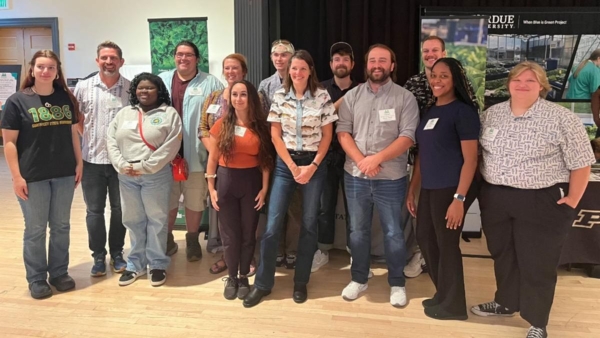
Fresh, safe food starts with strong science, and Kentucky State is turning that science into healthy meals for Kentucky families. At the 2025 Aquaponics Association Conference, a 10-member delegation from the Aquaponics Lab joined workshops, lab tours and farm visits, connecting classroom learning to food production and kitchen safety.
Led by Janelle Hager, Cooperative Extension state specialist for aquaponics, the delegation worked across Extension, academics and research to move proven practices into households, school cafeterias and local markets. Hager is aligning faculty expertise with county workshops, producer trainings and school gardens to help families access fresher fish and vegetables, stretch food budgets and trust the safety of what’s on the plate.
“Our students came home with new skills, new mentors and new confidence,” Hager said. “Aquaponics is a team sport — biology, engineering and entrepreneurship — and this conference put all of those pieces together.”
Aquaponics pairs recirculating aquaculture with hydroponics in a closed-loop system: fish byproducts feed plants, and plants return clean water to the tanks. The approach reduces water use, supports year-round harvests and strengthens food-safety protocols families rely on from cleaner water to data.
The conference also highlighted Driving AgTech Research and Education in Kentucky (DARE-KY), a $7 million National Science Foundation award — the university’s largest federal grant — advancing applied research and workforce pathways for soilless food systems that benefit communities statewide.
The School of Aquaculture and Aquatic Science, part of the College of Agriculture, Health and Natural Resources, anchors this work, linking learning with Cooperative Extension outreach to improve nutrition, health and safety for Kentucky families.
Empowering families to live well: Langston University’s impact on nutrition, health, safety

Langston University’s Cooperative Extension and Outreach Program (LU-CEOP) is empowering families to take charge of their health through learning to prepare nutritious meals, prevent chronic disease and create safer homes. Simple, mindful choices like cooking at home or reading food labels can make a lasting difference in overall wellness. LU-CEOP understands that healthy families form the foundation of strong communities and that proper nutrition plays a vital role in long-term wellness.
Melvin Williams is an Expanded Food and Nutrition Program educator in LU-CEOP’s Family and Consumer Science cluster. He teaches Oklahoma families how to prepare balanced meals, stretch their food budget and make choices that support a lifetime of health. The practical support, skills and knowledge that Williams provides help families make informed decisions about food, safety and lifestyle choices. LU-CEOP recognizes that families need access to reliable information, nutritious food and supportive community resources to live healthy, safe and fulfilling lives.
Providing these resources, along with education and hands-on support, is the goal of LU-CEOP, which is met through the various Extension and outreach programs offered. Through education, awareness and action, LU-CEOP is helping Oklahoman families to build a brighter, healthier future.
Lincoln supports families with nutrition, food safety, health education
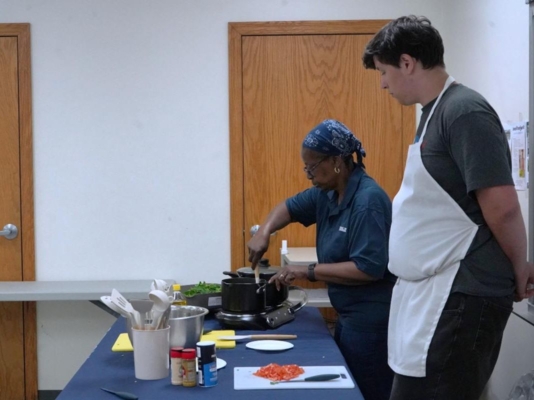
Lincoln University of Missouri (LU) is working to strengthen family health by improving nutrition understanding, food safety practices and access to trustworthy information. Judith Mutamba, LU’s state Extension specialist for human nutrition and health, explains that true food security depends on nutrition, accessibility and affordability, not simply having food nearby. Families also need the means to obtain adequate, nutritious options for every household member. She notes that cost, limited access, time required for meal preparation and cultural attitudes toward certain foods are major barriers.
Mutamba encourages families to start with simple strategies such as reading food labels, choosing whole grains and prioritizing foods high in fiber and protein. She adds that dried fruits and vegetables remain nutrient-dense and easy to store.
Nutrition educator Laveta Lockridge reinforces the value of teaching families, especially children, how to interpret nutrition facts in an engaging, hands-on way. She believes learning together builds confidence and strengthens family well-being.
Food safety is another key element. Dr. Sujan Acharya, professor of food science at LU, provides guidance on proper food handling and preservation methods. He explains that freezing slows bacterial growth, helping maintain safety and quality, and warns that raw foods left out for more than two hours can become dangerous. Dr. Anitha Chitturi teaches families to recognize signs of disease in produce and stresses washing fruits and vegetables to remove chemical residues.
Commercial Kitchen Manager Joshua Dunne highlights the importance of balanced diets, exercise and hygiene. Together, LU experts aim to empower families with practical knowledge that supports healthier communities.
N.C. A&T partners on mental health grant to support Helene-affected farmers, communities
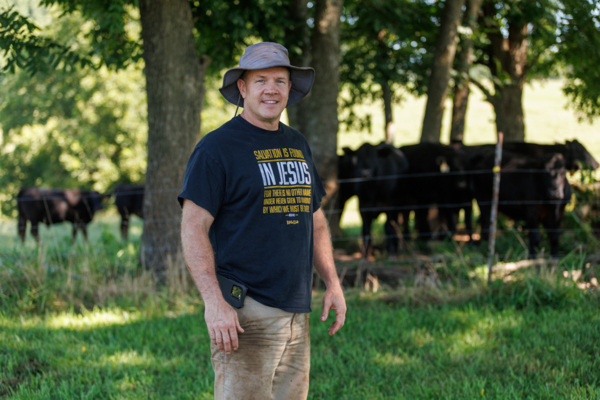
More is expected of farmers and ranchers than any other group of people, said Crystal Cook-Marshall, Ph.D., director of North Carolina AgrAbility and agromedicine coordinator for Cooperative Extension at North Carolina A&T.
“We expect them to work in all weather, use their own resources, work where they live and take all the infrastructural and financial risk to produce something that we all need,” Cook-Marshall said. “There's a tremendous amount of burden and stress in every category, and so it's not enough just to support the farmer in the field; you have to support the whole farmer.”
The U.S. Department of Agriculture (USDA) is bolstering that support with a $292,439 grant to expand mental health services for farmers and ranchers — especially those who were caught in the fury of Hurricane Helene. The grant is funded through the Rapid Response program of the USDA’s National Institute of Food and Agriculture (NIFA).
The money will be used by the North Carolina Agromedicine Institute's Farm and Ranch Stress Assistance Network-NC to provide:
- An updated N.C. Farmer Stress Directory. The directory will be expanded to include resources related to natural disasters.
- An expanded NC Farm Helpline (844-325-3276) to offer round-the-clock help with resources, crisis intervention and emotional support services.
- Free, confidential counseling and behavioral health support from peers and providers.
- Free psychological first-aid training and mental health literacy for farmers and other agricultural workers.
- A project impact report.
North Carolina Agricultural and Technical State University, East Carolina University and North Carolina State University are the primary partners in the Institute.
Strength in Action: Building confidence, community safety through self-defense
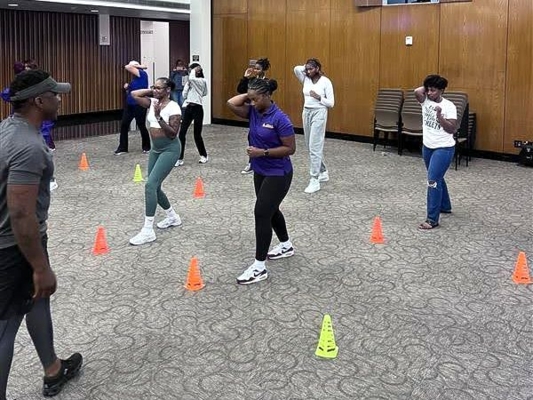
Prairie View A&M University Extension: Wellness in Houston (WIH) recently hosted the Strength in Action: Self-Defense Workshop at the Houston City College Auditorium, providing a dynamic and empowering experience for participants seeking to improve personal safety, awareness and confidence.
The interactive session, led by certified instructors, offered hands-on training in practical defense techniques and situational awareness strategies designed for everyday life. Participants engaged in real-world scenarios that emphasized both physical preparedness and mental resilience — skills that are essential for navigating public spaces and responding to unexpected situations safely.
Beyond skill development, the workshop fostered open discussion on personal safety, community support and empowerment. It created a welcoming environment where participants could connect, learn and share experiences related to personal well-being. As part of WIH’s broader mission to enhance community health and resilience, the Strength in Action series encourages participants to recognize that wellness extends beyond physical health — it also includes safety, confidence and peace of mind.
This event reflects WIH’s ongoing commitment to delivering accessible, educational experiences that promote self-awareness and empower individuals to lead safer, more confident lives across Houston and surrounding counties.
For more information about Prairie View A&M University Extension: Wellness in Houston, visit wellnessinhouston.pvamu.edu.
Cooking to prevent cancer: A class helping South Carolina stay healthy
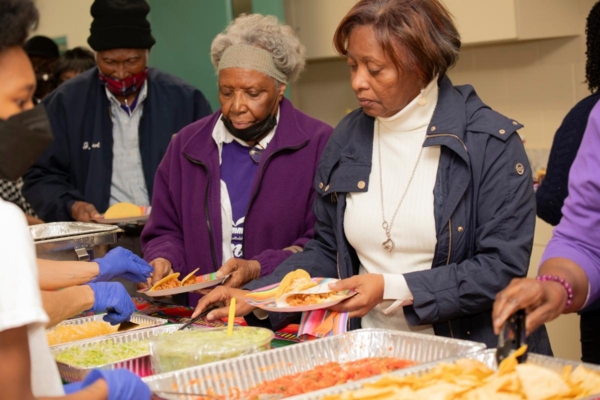
Breast, colorectal, cervical and prostate cancers are among the most common cancers impacting families in South Carolina and across the United States. The Eat Well, Fight Strong Cancer Cooking Class is helping communities fight back — starting with healthy meals. The class is offered to communities across the Palmetto State and is delivered by the South Carolina State University 1890 Extension Family Health and Nutrition Program.
This one-day class highlights how nutrition fuels the body to stay well. Participants learn how leafy greens, colorful vegetables and fresh fruits provide the vitamins and power needed to help reduce cancer risk. Extension agents and program coordinators lead lively cooking demonstrations where attendees receive hands-on training, taste new recipes and discover how delicious healthy food can be.
But the class is about more than cooking. It also creates a safe space where participants can share their own cancer stories. Some speak about loved ones they have lost, others talk about battles they have overcome, while a few share current cancer challenges. These brave conversations show incredible courage and help others feel supported. The room often fills with encouragement, hope and reminders that no one faces cancer alone.
The session also explains why cancer screenings are important for both men and women. Early checks for breast, colorectal, cervical and prostate cancers can help find problems sooner, when treatment can be most successful. Participants leave knowing how to stay proactive about their health.
With learning, sharing stories of strength and enjoying delicious food, the Eat Well, Fight Strong Cancer Cooking Class empowers South Carolinians to live healthier lives.
Bridging the gap: How teletherapy is transforming mental health access in Louisiana
By Jasmin Mathews
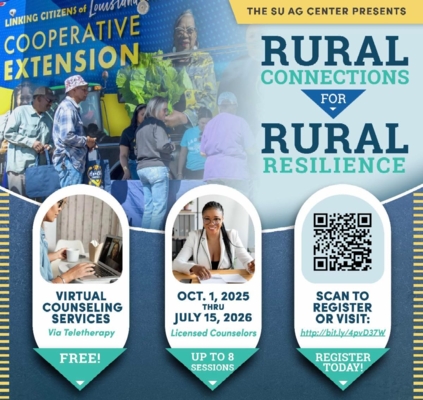
When it comes to mental health, access is often the biggest hurdle. For many Louisianans, especially those living in rural communities, therapy can feel out of reach. The Rural Connections for Rural Resilience Teletherapy Program set out to change that, bringing culturally responsive care directly into homes through free, virtual counseling sessions.
The program offered participants up to eight virtual therapy sessions with licensed providers at no cost. This flexibility proved essential by allowing people to log in from their living rooms, at times that worked for them, and with providers who understood their unique experiences.
Fifty-four individuals enrolled, representing both urban and rural parishes across Louisiana. Every participant identified as Black or African American, with the majority between ages 25 and 44. While 78% lived in cities, the program also reached smaller towns and rural communities, bridging a gap where resources are often scarce.
The outcomes speak volumes. Among survey respondents:
- 67% felt more in control of their mental health.
- 88% developed healthier coping strategies.
- 76% reported more confidence in supporting others.
- Nearly 90% said programs like this are critical for their communities.
In a state where stigma and limited access have long stood in the way of treatment, this program signals a new era – an era where healing can begin at home, where technology meets cultural sensitivity and where resilience is built one session at a time.
Improving nutrition, health, safety of families

By Dr. Priscilla Ayine
Improving the nutrition, health and safety of families begins with the everyday choices parents make. Right from planning meals to encouraging active play, parents play a powerful role in shaping healthy habits that last a lifetime. When families have access to resources such as food, practical guidance like how to prepare balanced meals on a budget or how to read nutrition labels, they feel more confident supporting their children’s well-being and helping them grow strong.
Parents also help create safe and healthy environments where children can thrive. Small steps such as practicing good handwashing, storing food safely, keeping harmful products out of reach and staying up to date with routine health checkups can make a big difference in preventing illness and injury. When children see these habits modeled at home, they are more likely to develop their own lifelong routines around health and safety.
Above all, parents don’t have to do this all by themselves, especially with the current high cost of food nationwide and stressed-out families. Communities, schools and local programs offer valuable resources, education and support that can make healthy living easier and more enjoyable for the whole family. By staying connected, asking questions and seeking out reliable information, parents can continue building strong foundations that help their families thrive today and into the future.
To learn more about nutrition and health, contact Dr. Priscilla Ayine at payine@tnstate.eduor (615) 963-5536 or Nikkole Turner at nturne22@tnstate.edu or (615) 963-6927.
Tuskegee Makes Fruits and Vegetables Available for All
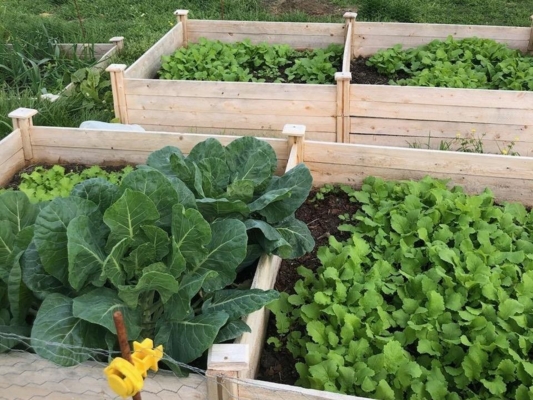
The Makes Fruits and Vegetables Available for All project was created to increase access to fresh fruits and vegetables, providing access, affordability and promoting healthier eating among residents in Alabama’s rural Black Belt counties. Through this initiative, families, schools and community organizations received raised garden boxes, soil, seedlings and educational materials to support the creation of home and community gardens. The project empowers participants to grow their own fruits and vegetables, reduce food insecurity, save money on groceries and build long-term healthy eating habits.
In 2025, the project reached 10 counties across Alabama’s Black Belt. A total of 162 raised garden boxes were distributed to households and community sites in Sumter, Pickens and Choctaw for the fall gardens, resulting in the establishment of more than 120 new gardens. The initiative directly engaged more than 636 residents, including more than 2,335 students, through partnerships with local schools that integrated gardening and nutrition education into classroom activities. Gardens established ranged from 6 to 22 raised beds in addition to containers.
Garden demonstrations and cooking sessions conducted across the counties helped residents build confidence in planting, maintaining and harvesting their gardens. Each cooking demonstration included a nutrition education component that focused on creating a balanced plate, emphasizing the inclusion of fruits and vegetables alongside lean proteins, whole grains and low-fat dairy products. Participants learned how to prepare heart-healthy meals using fresh produce from their gardens, practice portion control and make affordable, nutritious food choices.
Feeding Brighter Futures workshop engages public in finding community health solutions
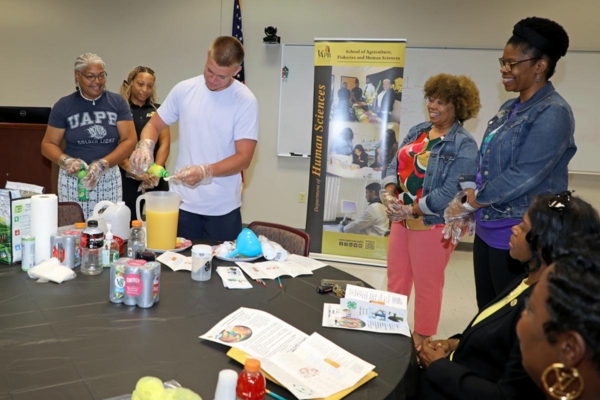
More than 30 community members recently gathered at Southeast Arkansas College (SEARK) to explore solutions for promoting healthy eating in local youth programs. The meeting marked the third of a series of Feeding Brighter Futures workshops, created by the University of Arkansas at Pine Bluff (UAPB) Department of Human Sciences to inspire future leaders in nutrition, food science and wellness.
Funded by a grant from the 1890 Center of Excellence for Nutrition, Health, Wellness and Quality of Life, the workshop engaged participants in fun activities and facilitated conversations surrounding community health, nutrition and food security, according to Dr. Kimberly Haynie, associate professor of nutrition and food science at UAPB and the grant’s principal investigator.
“Our community health and wellness initiative continues to grow in its second year,” Haynie said. “We were pleased to host UAPB and SEARK students who discussed why they feel that nutrition is important for athletic performance and positive youth development.”
During the workshop, Teki Hunt, director of UAPB’s 4-H Youth Development Program, conducted an activity from the 4-H Sports Nutrition Curriculum called Finding Hidden Water for Hydration. Volunteers prepared their own sports drink according to the lesson’s recipe using concentrated orange juice, lemon and lime juice and salt.
At a station manned by Dr. W. Jinnings Burruss, assistant professor of foodservice and restaurant management, students explored the differences in food production standards through a taste-testing activity with gummy bears made in the U.S. and Germany.
Food-based health care: Improving nutrition, local economies
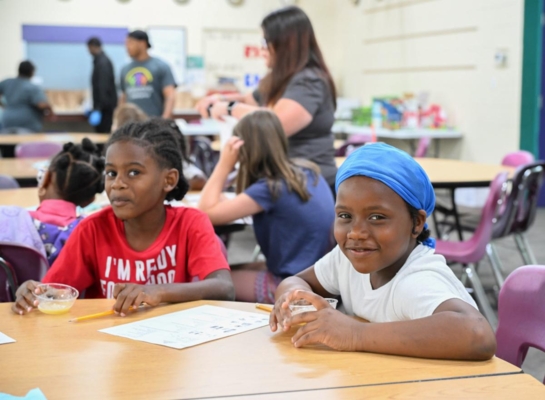
Eating a safe, locally sourced diet with high nutritional value isn’t just a lifestyle choice; it translates to a powerful form of food-based health care. Its goal is to help Americans prevent, manage or delay chronic diseases contributing to reduced lifespan.
The adult obesity rate exceeds 40%, placing individuals at high risk for chronic illnesses such as heart disease, Type 2 diabetes and hypertension, a 2024 National Center for Health Statistics brief stated.
“These statistics underscore the need for comprehensive nutrition education and outreach, all central to the mission of the University of Maryland Eastern Shore’s Family Nutrition and Health Program,” said Dr. Virginie Zoumenou, director.
The Extension program provides evidence-focused nutrition activities designed to teach healthy eating, meal planning, food budgeting and safe food handling practices, she said. It serves families, youth and adults by equipping them with practical knowledge to make informed food choices and adopt long-term, healthier lifestyles. Just one change in habit can improve health.
“This group helped me compare foods nutritionally,” a program participant said. “I also learned simple ways to plan before I go to the grocery store so that I can save money.”
Extension educators work with local agencies and after-school programs to expand the program’s reach through the Expanded Food and Nutrition Education Program and Family and Consumer Sciences.
“By offering nutrition education that helps families stretch food budgets and connects them to fresh produce, the program ensures that nutritious food is attainable for all,” Zoumenou said.
VSU tackles health one plate at a time with Delicious Tailgate event
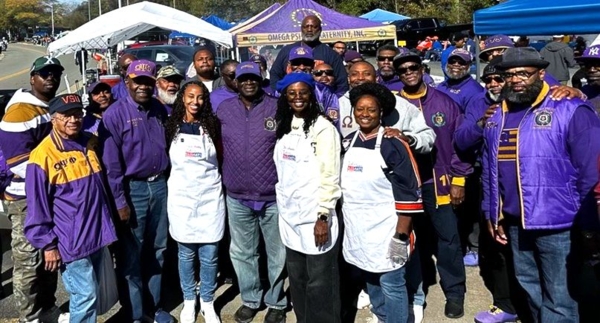
Virginia State University (VSU)’s Health Extension team hosted a pilot health-focused event in partnership with other organizations to promote healthier lifestyle choices through education and advocacy.
On Saturday, Oct. 25, VSU celebrated homecoming with a Delicious Tailgate event. This collaboration included student organizations, the Virginia Community Healthcare Association, VSU’s Public Health Institute and Virginia Commonwealth University Massey Comprehensive Cancer Center. The event centered on understanding personal cancer risk, learning how to cook more healthily and understanding how food is critical to health and well-being.
At the tailgate, visitors learned from nutrition demonstrations that focused on adapting meals to include healthier choices like increasing leafy greens, limiting sugar and using healthier oils like olive and avocado oils when cooking. The menu included curly kale salad, grilled chicken, honey-glazed baked carrots and Greek yogurt pudding. The demonstration chef engaged further with the community by sharing the importance of nutritious cooking in his own journey as a diabetic and cancer survivor.
The Health Extension team and partners had other available health-focused resources for the community, including evidence-based printed and digitally accessible materials for prostate, breast and colorectal cancers, while a certified physician’s assistant engaged with visitors to answer questions and connect people in need of health navigation assistance with referrals and connection to primary care options.
More than 100 community members attended and took away not just delicious samples of healthy food, but a better understanding of how to care for their health and resources that are available through VSU’s Health Extension team and partnering organizations.
Stirring up skills
By Alisha Jarrett
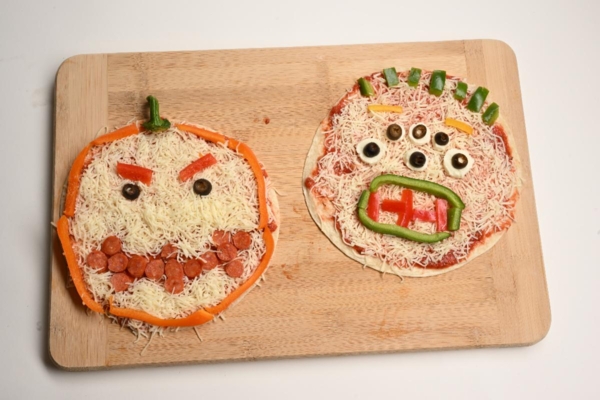
West Virginia State University (WVSU) Extension Service recently held a series of free, hands-on cooking and nutrition classes for children aged 11 to 15 on its campus in Institute, engaging local families in the process. Rooted in the Expanded Food and Nutrition Education Program (EFNEP) curriculum, the program offered participants the opportunity to develop their culinary skills and expand their knowledge of nutrition.
Students learned to prepare healthy meals, read recipes and make smart food choices. Topics covered included food safety, cooking techniques, meal planning and nutrition concepts relevant to growing adolescents. Each session was led by instructors who provided guidance, encouragement and support to ensure that every child could succeed, regardless of their previous experience.
To encourage attendance, students who completed all four sessions within a month received a complimentary starter kit, which included kitchen tools, ingredients and a cookbook. This allowed them to practice new skills at home and reinforced healthy habits beyond the classroom.
Parents applauded the program for being accessible and for significantly boosting their children’s confidence and independence in the kitchen. As part of the national EFNEP initiative, the classes contributed to a longstanding effort to reduce nutrition insecurity among families and youth.
Since 1969, EFNEP has provided vital education and skill-building opportunities across the country. By offering these free classes, WVSU Extension Service advanced this mission and helped local youth gain valuable knowledge and skills to make healthier choices for themselves and their families.