
Extension Today
News from and about the 1890 Land-Grant Extension SystemMessage from the Chair

Dr. Raymon Shange, 1890 Extension Administrator, Tuskegee University
This month, we are taking the opportunity to reflect on the enduring legacy of the 1890 Cooperative Extension System. This is a legacy built through the vision, labor and leadership of educators, communities and institutions committed to strengthening and sustaining the lives of all Americans.
The 1890 Extension story is one of resilience, innovation and service. In this edition, we honor the people and programs that have set a bar of excellence in the service that we measure ourselves by. We also celebrate those amongst us who continue to carry forward this rich legacy. These efforts in agriculture, youth development, community health, family well-being and economic empowerment demonstrate the lasting relevance and impact of 1890 Extension in both rural and urban communities.
Though we spotlight only a few examples here, we extend our sincere appreciation to all 1890 Extension professionals who uphold this tradition of excellence in 2026 and beyond. May these stories remind us of the power of our shared history and inspire us to deepen our collective impact in the years ahead.
Snapshot of Cooperative Extension at AAMU
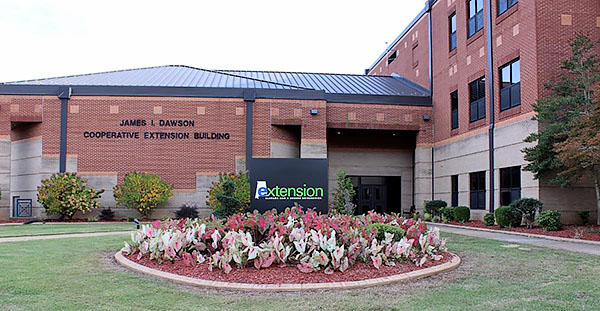
The 1890 Cooperative Extension Program at Alabama A&M University (AAMU) was established in December 1971 under the leadership of its first administrator, Dr. James I. Dawson. From the beginning, Dawson envisioned Extension as a vital link between the university and communities in North Alabama.
Early program efforts centered on four core areas: 4-H and youth development, agriculture and natural resources, home economics and community resource development. Through educational outreach and the added personal touch, Alabama Extension delivered AAMU’s research-based expertise to residents in 12 North Alabama counties: Colbert, Cullman, DeKalb, Franklin, Jackson, Lauderdale, Lawrence, Limestone, Madison, Marshall, Marion and Morgan. Collectively, its program team reached an estimated 100,000 people annually. AAMU’s Cooperative Extension program continued to thrive under various leadership over the next two decades.
Then, in 1995, the landmark Knight v. Alabama court decree restructured Extension in the state, merging the programs at AAMU and Auburn University into the Alabama Cooperative Extension System, with Tuskegee University serving as a cooperating partner.
Today, Alabama Extension at AAMU serves residents in more than 40 counties, addressing critical issues such as food insecurity, workforce development, environmental stewardship, STEM education and financial literacy. With an expanding digital footprint of more than 6.2 million contacts each year, the program continues its mission to deliver life-changing information in various capacities from AAMU to the people of Alabama.
Dr. Franklin Chukwuma: Legacy written in people
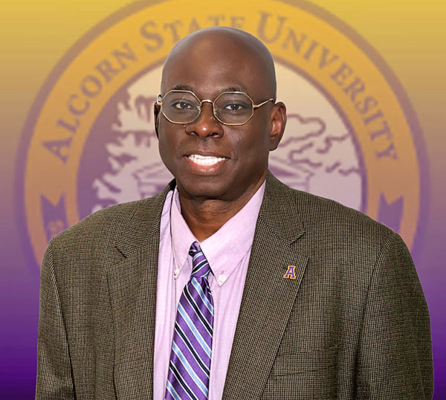
If you wanted to understand Extension at Alcorn State University (ASU), you started with Dr. Franklin Chukwuma.
He knew farmers by name. Not just their operations, but their stories. He knew county leaders, community partners and the people who relied on Extension every day. He understood the program’s history, its purpose and its responsibility to serve. And when something needed to be done, he knew exactly who to call, whether it was a farmer in the field, a county agent or a legislator helping shape the future of agriculture.
Chukwuma was more than a leader. He was a connector. He carried Extension with him, building trust across communities and strengthening relationships that helped Alcorn fulfill its 1890 land-grant mission. People respected him because he listened, because he cared and because he showed up.
His impact lives in the programs he helped grow, the professionals he mentored and the communities he helped empower. He helped ensure that Extension at Alcorn remained rooted in service, guided by purpose and driven by people.
Chukwuma entered retirement in December, and his absence is deeply felt across campus and throughout the communities he served. He was the person others turned to for guidance, for history and for direction. He was a steady presence and a trusted voice.
Though he has stepped away from his role, his legacy remains firmly planted. His work continues through the people he uplifted, the relationships he built and the foundation he helped strengthen. He was more than part of Extension’s story. He helped write it.
'She, Me and Her' maternal health program
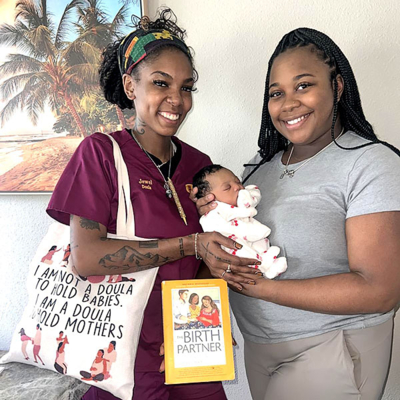
Central State University (CSU) became an 1890 Land-grant University in 2014 and is building lasting legacies in communities throughout Ohio. One program building community legacy is the “She, Me and Her” maternal health program launched last year by CSU Extension’s family and consumer sciences educators Jewel Rollins and Kylee Peoples, both certified doulas.
According to the 2022 Centers for Disease Control and Prevention data, Ohio’s maternal mortality rate is 10% higher than the national average and has a 10.7% preterm birth rate, graded a D+ nationally. These statistics reflect systemic gaps in maternal care, prevention and support, underscoring the urgent need for community-centered interventions.
The “She, Me and Her” maternal health program implements a holistic, relationship-based care model tailored to the needs of mothers who are affected by gaps in the health care system. The program includes on-site and online doula visits for emotional and physical support while also providing infant and pregnancy resources. Participants receive monthly postpartum check-ins and personalized doula coaching to strengthen self-advocacy, support recovery and help navigate medical systems. A certified dietitian meets with each participant to provide nutrition guidance. Accessibility was expanded by offering virtual sessions and hosting monthly “Ask the Doula” events to increase maternal health awareness.
The program has celebrated two healthy births in 2025, with more mothers due in 2026. Client feedback demonstrates a high level of satisfaction in every area. Mothers who previously lacked consistent support, culturally responsive care and advocacy tools now receive structured, ongoing guidance that reduces stress, improves preparedness and strengthens postpartum recovery.
Delaware 4-H Youth Mentoring Program
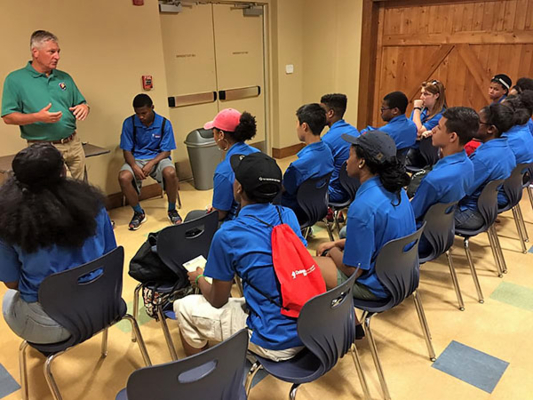
Founded in 2000 at Sussex Central Middle School, the “Ladies and Gentlemen’s clubs of Delaware,” now known as the Delaware 4-H Youth Mentoring Program, was created to unlock the leadership potential of young people and empower them to succeed in school, family life and the community. What began as a small intervention program quickly became a life-changing movement.
The original club included 30 students, 15 girls and 15 boys, from grades 6-8, selected through teacher, administrator and peer recommendations. Weekly team-building activities, leadership workshops, guest speakers, field trips and cultural experiences enriched students' educational journeys and built confidence beyond the classroom.
A signature dress code helped students stand out with pride and purpose. Girls wore white shirts with black skirts or pants, while boys wore white shirts, ties and khaki pants, reinforcing professionalism, unity and self-respect.
As the program grew, students earned points through weekly progress reports, leading to awards and trips to cultural and educational attractions. These opportunities, along with uniforms and educational materials, were made possible by a grant from MBNA Bank.
The results spoke volumes: improved test scores, reduced negative behaviors, increased leadership and stronger social acceptance. Today, the program has expanded into other school districts in Sussex County and continues to thrive. Now in the 26th year, the clubs have produced educators, health care professionals, military personnel, government employees and other jobs and careers, living proof that this model works.
Legacy of service: Florida Extension’s enduring impact
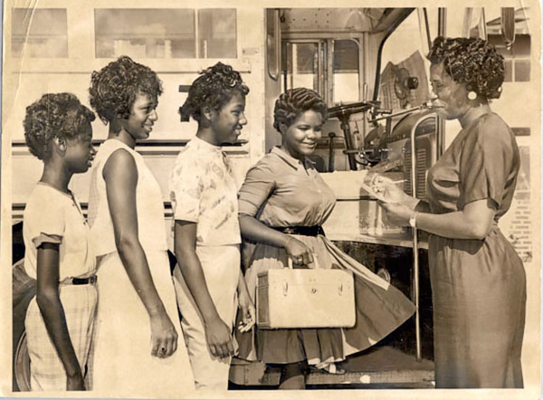
For more than a century, Cooperative Extension has served as a vital bridge between research institutions and the communities they support, delivering practical, science-based knowledge that improves everyday life. From strengthening agricultural production to supporting youths, families and community development, Extension continues to evolve to meet changing needs while remaining grounded in service.
In Florida, the Cooperative Extension System operates through a partnership between Florida A&M University (FAMU) and the University of Florida’s Institute of Food and Agricultural Sciences (UF/IFAS). Together, they provide research-based education and resources that strengthen communities across the state. FAMU’s commitment to Extension dates back decades, including hosting the 1929 Negro Extension and Home Demonstration Conference under the leadership of then-president J.R.E. Lee.
Extension’s impact is also reflected in the professionals who have advanced its mission over time. From A.A. Turner, Florida’s first African American Extension agent, to Vonda Richardson, the first female director of FAMU Cooperative Extension, these leaders expanded opportunities in agriculture, youth development through programs like 4-H, nutrition education and community engagement.
The legacy includes pioneers such as FAMU alumna Floy Britt, whose Extension work in the 1950s opened doors for generations of youths. Today, program leaders and agents such as Dr. Dreamal Worthen, Conchita Newman and Kimberly Davis continue this tradition, helping communities address both emerging challenges and new opportunities.
Ultimately, Extension’s enduring legacy lies in its people — educators, agents, volunteers and partners dedicated to empowering individuals and strengthening Florida’s farms, families and communities for generations to come.
Extension brings heritage, health, hands-on learning to families
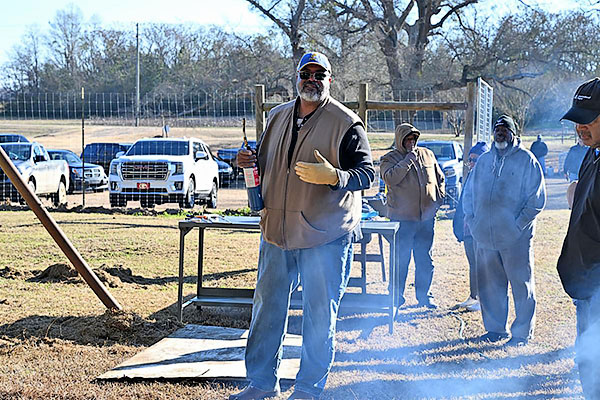
Fort Valley State University (FVSU) Cooperative Extension partnered with the Flint River Farms School Preservation Society Inc. to host Heritage Day, an annual celebration in Montezuma, Georgia, honoring the traditions, labor and resilience of Black farming families in the region.
Held on the historic grounds of the former Flint River Farms School, the event brought together community members to reflect on the land’s legacy and celebrate its role in shaping rural Black history.
The February celebration featured cultural demonstrations, including an old-fashioned hog dressing, pork skin cooking and guided museum tours. FVSU Cooperative Extension strengthened the educational component with its Life on the Farm mobile exhibit, which offered interactive lessons on livestock care and farming practices. FVSU’s Mobile Health Unit also promoted wellness among families attending the event.
The Flint River Farms Resettlement Project was established by the United States Department of Agriculture Resettlement Administration in 1937. It was one of many similar community resettlement efforts organized across the South during the New Deal, enabling African American farmers to buy land and learn successful farming methods. A community center opened in 1938, which included school buildings and a vocational agriculture shop. Young people received education from first through 11th grade, while adults studied vocational agriculture and home economics. By 2003, 16 of the original 106 families still owned land purchased through the Flint River Farms Resettlement Project.
Heritage Day continues to serve as a meaningful gathering for preserving local history and connecting new generations to the stories that shaped rural Georgia.
Watershed prioritization, water quality: Lessons from the Big Sandy River Basin
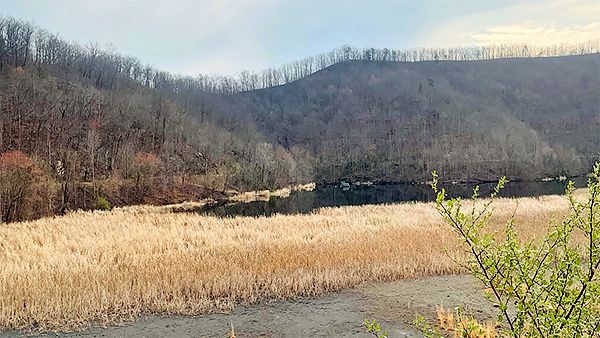
Recent Kentucky State University research is helping clarify a practical question for communities and agencies working to improve streams and reduce nutrient runoff: Where do conservation investments make the biggest difference over time?
Water-quality researcher Shreesha Pandeya, a research associate in the University’s Integrative Human-Environment Dynamics Lab (IHED Lab), analyzed land-cover recovery patterns in eastern Kentucky’s Big Sandy River Basin to examine whether targeted watershed prioritization is associated with stronger recovery outcomes. The analysis found substantial increases in forest and shrubland in priority watersheds compared to non-priority watersheds. That land-cover shift matters for residents and land managers because expanded forest and shrub systems can reduce erosion, increase infiltration and improve nutrient retention — mechanisms that support healthier waterways and more resilient landscapes.
Pandeya shared these findings during the Mississippi River Basin Early Career Confluence Workshop: Advancing the Next Generation of Nutrient Reduction Science, held Jan. 27-29 in Fayetteville, Arkansas. The workshop convened early-career researchers from the 12 Gulf Hypoxia Task Force states and included collaborative sessions on research agenda development, future research planning aligned with task force priority areas, interdisciplinary science and science communication.
For Extension, the takeaway is direct: data-driven prioritization can help communities focus limited resources on actions most likely to produce measurable, long-term gains in watershed health.
Where legacy meets Mother Road

The next time you travel historic Route 66, you will likely notice and enjoy the vibrant flowers, refreshed landscapes and renewed community spaces that line Oklahoma’s stretch of the Mother Road. These visible transformations represent more than beautification; they reflect a legacy of service carried forward by the Langston University Cooperative Extension & Outreach Program (LU-CEOP).
Rooted in the 1890 land-grant mission and strengthened through more than a century of Cooperative Extension work, Langston continues to connect research-based knowledge with real community needs.
As Oklahoma prepares for the 2026 Route 66 Centennial, LU-CEOP is partnering with communities along the corridor by providing TLC Gardening Center vouchers to support the planting of flowers, foliage and shrubbery. These efforts help towns enhance curb appeal, welcome increased tourism and build local pride. The Threatt Filling Station of Luther, Oklahoma, a historic landmark, is one of the few remaining historic Route 66 service stations and a powerful symbol of entrepreneurship and community resilience. It stands to benefit from these collaborative beautification efforts. Visit https://threattfillingstation.org/.
Beyond beautification, this initiative reflects the broader Extension mission supporting farmers and producers, strengthening families, empowering youths and promoting resilient local economies. From sustainable agriculture and natural resource stewardship to health, leadership and workforce development, Langston Extension’s work remains grounded in access, innovation and measurable impact.
Where legacy meets the Mother Road, communities flourish. As travelers experience the renewed beauty of Route 66, they witness a living testament to Langston University Sherman Lewis School of Agriculture & Applied Sciences' enduring commitment to honor a proud land-grant heritage for generations to come.
Building on decades of outreach
By Jenny Marie Lawrence
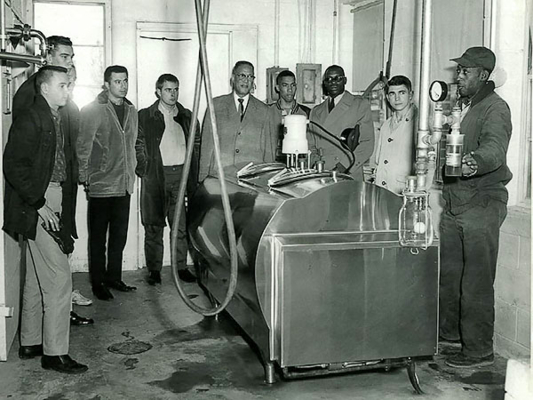
Lincoln University of Missouri (LU) has long used agriculture to connect education with everyday needs across Missouri, a mission rooted in its role as an 1890 Land-grant University. That commitment laid the foundation for Cooperative Extension, which serves as a bridge between university research and the people and communities it supports statewide.
Cooperative Extension was formally established in 1972, building on decades of earlier outreach work that connected university research with everyday needs in Missouri communities. Early efforts emphasized practical education related to health, nutrition and food access, with much of the programming reaching families and young people. Over time, Extension expanded its focus to include aging populations, chronic disease management and quality-of-life support, reflecting changing community needs.
As programming grew, Lincoln University Cooperative Extension also strengthened its agricultural research and education efforts, supporting producers through work in crop and livestock systems, marketing, and applied plant and animal sciences. Specialized initiatives, including nationally recognized work in small ruminant education, have long been part of Extension’s programming, alongside the continued use of campus farms as sites for research, demonstrations and community engagement.
Today, Extension’s work continues to evolve while remaining grounded in its people-centered approach. Current projects include the development of a meat processing facility at the James N. Freeman Farm, designed to support workforce development, value-added opportunities for producers and certificate-level training.
Across generations, Lincoln University Cooperative Extension has adapted to new challenges while maintaining long-standing relationships across Missouri, reinforcing its role as a trusted source of practical, research-based education shaped by the communities it serves.
40th Small Farms Week celebrates 'Deep Roots, Strong Future'
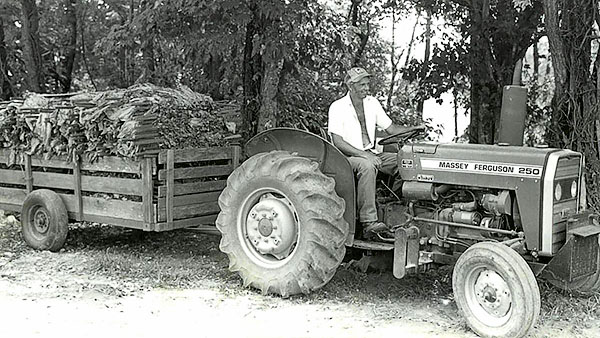
“March Goodness.” That’s how Associate Dean and Cooperative Extension at N.C. A&T Administrator M. Ray McKinnie, Ph.D., thinks about the fourth week in March.
A wordplay on the March Madness college basketball championship battle, March Goodness celebrates another champion: small-scale farmers. For 40 years, Extension has set aside the fourth week in March for Small Farms Week, an event celebrating small-scale farmers, who make up more than 80% of North Carolina’s farming community. The free event features educational forums, workshops, farm tours and speakers. It aims to lift up these important contributors to our nation’s well-being.
The Small Farmer of the Year award is also announced. Winners are small-scale farmers who exemplify innovation, leadership, environmental stewardship and business management.
The theme this year, "Deep Roots, Strong Future," reflects the belief in this farming community and Extension’s core mission to educate and improve lives, particularly in rural areas. Ronald Simmons, founder of Master Blend Farms, said being named the 2018 Small Farmer of the Year helped his farm “grow by leaps and bounds. We're able to see that anything is possible when you surround yourself with the right individuals.”
Investing in the small-scale farmer seems a sure bet for ensuring the nation’s resiliency and stability in uncertain times.
“Winning made us more visible to the community, and that helped us help other people,” said Joyce Martin Bowden, who was named the 2023 Small Farmers of the Year with her sister, Jeannette Martin Horn.
Visit https://bit.ly/3NFCI3U to learn more and sign up to attend Small Farms Week.
Century of impact: PVAMU Extension advancing lives across Texas
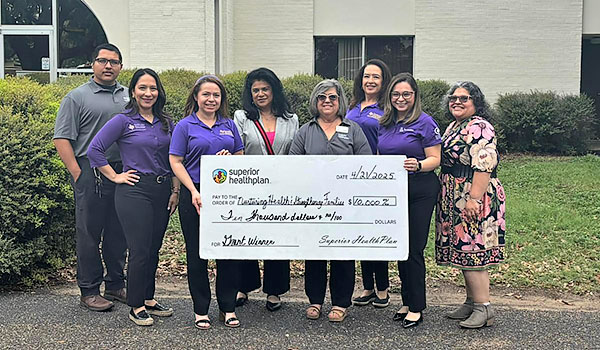
For more than a century, Prairie View A&M University (PVAMU) has advanced its land-grant mission of improving lives and strengthening communities through education, empowerment and engagement. Central to this mission is the PVAMU Extension, which delivers practical, research-based education through four program areas: agriculture and natural resources, community and economic development, family and community health (FCH), and 4-H and youth development. Among these, the family and community health unit stands as a vital catalyst for positive change across Texas.
PVAMU’s Extension legacy began in 1914 with the Smith-Lever Act, which established the national Cooperative Extension System. Since then, FCH agents have worked directly within communities — homes, schools, churches and community centers — to help Texans live healthier, safer and more resilient lives.
The FCH unit focuses on nutrition, wellness, parenting, financial literacy, chronic disease prevention and mental well-being. Initiatives such as Back-to-School, Health and Wellness, and Beat the Heat workshops have meaningful impacts in both rural and urban counties. FCH initiatives secured more than $12,500 in grants and donations, including more than 200 backpacks, six laptops, four tablets, 35 headphones, multiple fans, AC units, two generators, 100 solar chargers, free health screenings and more, which were provided to families in 2025.
As Texas continues to change, FCH has adapted by combining traditional outreach with digital tools and strategic partnerships to ensure accessibility for all. During crises, including natural disasters and public health emergencies, Extension professionals provide critical education, resources and recovery support by transforming knowledge into action.
Partnership rooted in legacy, trust
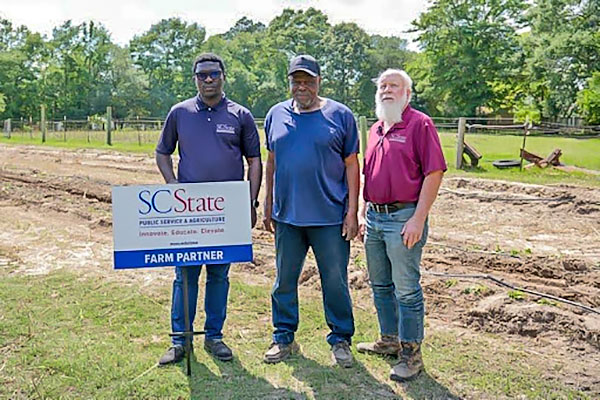
For generations, Edward Middleton’s family has farmed the same land in Eutaville, South Carolina, which was passed down from his grandfather in the 1800s through his parents and now continues under his leadership.
Today, that legacy is strengthened through a trusted partnership with South Carolina State 1890 Research & Extension. The relationship between Extension agent Mark Nettles and farmer partner Edward Middleton reflects the legacy of Extension: trust built over time and impact measured in generations.
"I first met Mr. Middleton as a member of our young farmer group in Orangeburg County,” Nettles said. “We were able to introduce him to improved production practices for fall greens and fertility management."
Through SC State 1890’s E.D.G.E. (Educate, Demonstrate, Guide, Execute) program, Middleton has worked closely with Nettles, sustainable agriculture and natural resources agent for the Midlands region, to enhance his operation, plant high-quality sweet potatoes, implement efficient irrigation systems and adopt cover crops to improve soil health. He also participates in farmer meetings that provide hands-on education in fertility management and pest scouting.
“I’ve been farming for over 20 years, and Mark (Nettles) and SC State 1890 helped me out with a lot of things on the farm. It’s been so much help that I’ve received,” Middleton shared.
The farm partner sign that is now displayed on Middleton’s farm represents more than program participation. It symbolizes trust, collaboration and a shared commitment to foster relationships and strengthen agricultural sustainability.
Linking citizens of Louisiana with opportunities for success
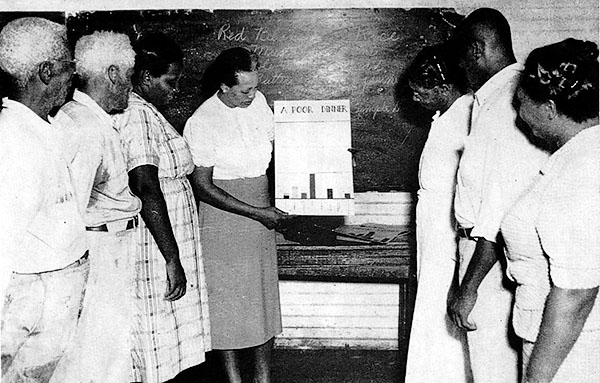
Established in 1972, the Southern University Cooperative Extension Program (CEP) was designed to bring university research directly to the citizens of Louisiana. This concept was fulfilled through the work of field agents who worked and lived in the communities they served. These agents provided communities with expertise in family and consumer sciences, horticulture and animal husbandry.
On July 1, 2001, the Southern University Agricultural Research and Extension Center was established as the fifth campus of the Southern University System. The Ag Center encompasses the Cooperative Extension Program, with the Annual State Livestock and Poultry Show (1943) and the Sustainable Agriculture and Rural Development Institute (SARDI), a satellite campus of the SU Ag Center located in Opelousas, Louisiana, being placed under the management of the Cooperative Extension Program.
Today, the Livestock Show continues to thrive, with generations of families participating each year. Nutrition specialists visit sites to provide nutrition education to students, summer camps and senior centers. CEP now holds the C.H.E.F., JAGcation and Hip-Hop to Gen Z Summer Camps. The JagFresh Farmers Market, certification programs in small business development and sustainable agriculture, spring and fall garden workshops, and an annual Small Business and Procurement Conference. The Cooperative Extension Program also has a Mobile Technology Center (M-TEC Unit), which can bring internet access throughout the state, especially after natural disasters.
Throughout the years, the SU Ag Center’s Cooperative Extension Program has built a legacy of “Linking Citizens of Louisiana with Opportunities for Success."
Legacy of impact
By Dr. Latif Lighari, TSUAg Associate Dean of Extension
For more than a century, Tennessee State University’s (TSU) Cooperative Extension Program has served as a vital bridge between research and community practice. Rooted in TSU’s 1890 land-grant mission, Extension expands access to education and technical assistance by meeting people where they are: on farms, in neighborhoods, in classrooms and in community spaces across Tennessee.
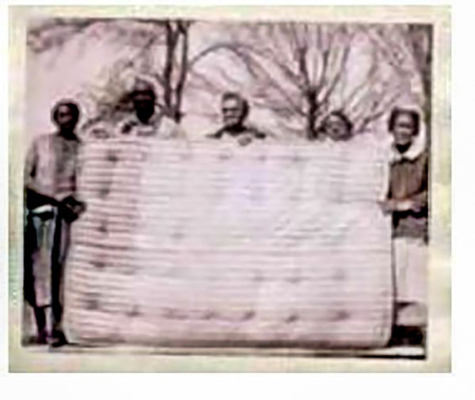
Founded in 1912 as the Tennessee Agricultural and Industrial State Normal School, TSU laid the groundwork for agricultural education and community advancement. During World War I, Extension agents mobilized farmers to increase food production under the slogan “Food to Win the War.” In the 1930s, Extension partnered with the Tennessee Valley Authority to support economic development and help families through practical initiatives, including statewide mattress-making programs that used surplus cotton.
TSU achieved full land-grant status in 1958, strengthening its role in research, teaching and Extension. A 1971 partnership with the University of Tennessee, along with the 1977 National Agricultural Research, Extension and Teaching Policy Act, helped expand TSU’s Extension capacity and reach. Following the 1979 Geier settlement, the university broadened its regional leadership in education and outreach. In the decades since, TSU Extension has introduced signature programs that reflect changing needs, including the annual Small Farms Expo in 2004 and the Tennessee New Farmer Academy in 2014.
Today, TSU Extension operates in more than 60 counties, delivering research-based education in agriculture, nutrition, youth development, workforce readiness and community resilience. Serving more than two million Tennesseans each year, Extension continues a legacy of service and innovation by building trusted partnerships that strengthen families, support communities and grow opportunity statewide.
For more information, visit https://www.nashville.gov/departments/agricultural-extension/about-extension/history-extension.
Tuskegee University’s rich history in Liberia

The history of Extension is rich and deep at Tuskegee University. It can be seen from Thomas Monroe Campbell, the first Extension agent, to Sandy Julius McCorvey, whose career in agricultural education and Extension spanned continents and left a lasting impact on local communities and international development. He started as a Cooperative Extension agent in rural Alabama, a global forerunner in his dedication to improving farming practices worldwide.
In 1951, McCorvey began his work in Liberia, where he established and expanded the nation's agricultural Extension system. He focused on training Extension leaders who would teach farmers the skills and techniques needed for self-reliance and increased productivity. In 1956, McCorvey founded Liberia's first 4-H Club in Maryland County, and it became the model for agricultural Extension and youth development programs across the country.
As McCorvey and his colleagues noted in 1954, "4-H Clubs are the chief hope of the long-term future of agriculture in Liberia, if they receive the necessary support from the government." By 1970, the 4-H program, under the Department of Agriculture, had grown to nearly 1,000 clubs with 25,000 members.
McCorvey's work extended to countries such as Dahomey (now Benin), Ghana and Nigeria. His approach included experimenting with planting schedules, soil management techniques and crop diversification, equipping farmers with the skills and knowledge to improve their crop yields and reduce their long-term dependency on external aid.
McCorvey was born in Peterman, Monroe County, Alabama, and passed away in 2003 in Tuskegee. Still, his legacy serves as a reminder of the profound impact individuals can have in shaping food security and fostering global partnerships.
Dr. Robert Cole forges legacy of impact in East Arkansas agriculture
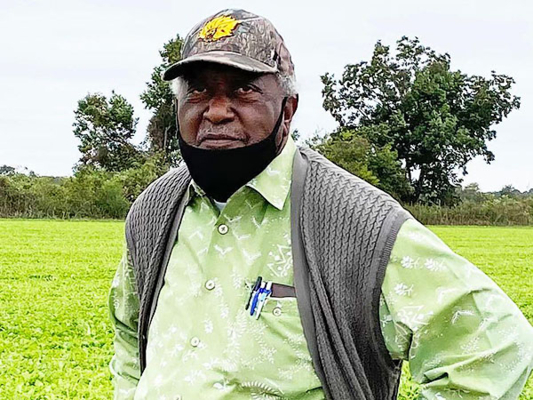
Dr. Robert Cole’s work continues to shape small-scale farming and rural development across East Arkansas, according to Dr. Henry English, director of the University of Arkansas at Pine Bluff (UAPB) Small Farm Program.
Cole was instrumental in helping small-scale farmers improve land productivity by securing a Regional Conservation Partnership Program with the Natural Resources Conservation Service. The initiative provided approximately $6 million in conservation funding, allowing farmers to adopt practices such as irrigation wells, precision land-leveling, cover crops and minimum tillage.
“Dr. Cole believed conservation was the foundation for long-term success for small-scale farmers,” English said.
He also worked with the East Arkansas Enterprise Community, a non-profit organization, to help rural towns develop plans that allowed them to access development funding. Cole established the UAPB Agricultural Demonstration Outreach Center, now known as the Marianna Farm. The 52-acre site created opportunities for research and demonstrations of alternative crops in a row crop region, helping farmers explore vegetable production, irrigation systems and specialized equipment.
His efforts extended beyond production into marketing. Through a marketing initiative with 1890 Land-grant Universities, Cole helped farmers sell vegetables to Walmart buyers across multiple states. He also helped local growers access institutional markets through school systems in Forrest City in Phillips County and Earle and Memphis in Shelby County.
“Dr. Cole showed farmers that access to markets could change everything,” English said.
Cole’s vision lives on through the Pearlie S Reed/Robert L. Cole Small Farm Outreach Wetland and Water Management Center in Lonoke, Arkansas, which continues to demonstrate conservation and water management practices for the next generation of farmers.
Where chicken is king, UMES helps shape its past, future

The University of Maryland Eastern Shore (UMES), located on the Delmarva Peninsula, has contributed through the years to one of the region’s top economic drivers: the poultry industry. The region is home to 1,200 chicken growers who raised 613 million birds in 2024, according to Delmarva Chicken Association statistics.
True to UMES’ land-grant mission and agricultural backbone, poultry studies and Extension activities are documented as far back as a 1913 yearbook showcasing chick hatching. Instruction in raising poultry was added to the classroom four years later. By the 1960s, broiler houses were constructed on campus. By the late 1980s, about 10,000 chickens were housed for teaching and training area farmers.
Today, poultry science faculty like Dr. Jennifer Timmons carry on the charge, conducting vital research, Extension and teaching activities to support the area’s economic development needs. In addition to chicken growers, the industry supports grain farmers, chicken company employees and capital improvements, all of which add to the local economy.
Timmons hosts bimonthly workshops on poultry health, regulations and litter management. She teaches animal and avian nutrition, along with poultry production and management, training the next generation of producers and industry professionals. Students are also involved in hands-on research on campus, such as nutritional strategies for heat stress on pastured poultry, ammonia control, litter management and prevention of salmonella.
Through her involvement with the Delmarva Chicken Association, Timmons shares evidence-based information at events such as the Commercial Poultry Expo, which UMES co-sponsors annually, to keep growers informed and help provide solutions to industry challenges and regulations.
Reflecting on Extension’s legacy of impact in Virginia
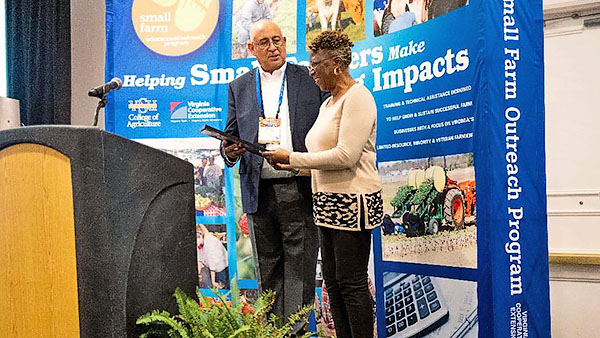
For more than a century, Virginia Cooperative Extension (VCE) at Virginia State University (VSU) has connected research-based knowledge to communities across the Commonwealth. VSU was established in 1890 to provide practical education in agriculture and mechanical arts and expand higher education opportunities to African Americans. By the early 1900s, demonstration agents were bringing knowledge and skills directly to rural communities.
Leaders such as John Baptist Pierce and Lizzie A. Jenkins pioneered farm and home demonstration work in southeastern Virginia, teaching families skills in crop production, food preservation and household management that empowered families to better support themselves. Families shared this knowledge with others, creating a ripple effect that helped elevate households and communities into higher standards of living and self-sufficiency.
Youth agricultural and canning clubs evolved into 4-H, laying the foundation for hands-on learning that continues today. In 1914, the Smith-Lever act formally established Cooperative Extension in Virginia, strengthening opportunities to provide research-based solutions in agriculture and natural resources, 4-H youth development, family and consumer sciences and community resource development.
Over time, Extension adapted nationally to meet new challenges, from Victory Gardens during World War II to modern workforce and community development initiatives. In Virginia, VSU-CE supports small, beginning and veteran farmers; helps producers adopt new crops and value-added enterprises; delivers parents, health and nutrition education; and responds to crises such as Hurricane Helene. Meeting people where they are, Extension remains committed to strengthening Virginia’s families, farms and communities for generations.
Read the full story of Extension’s impact in Virginia on their blog.
Dr. Antonio McLaren honored for dedicated service
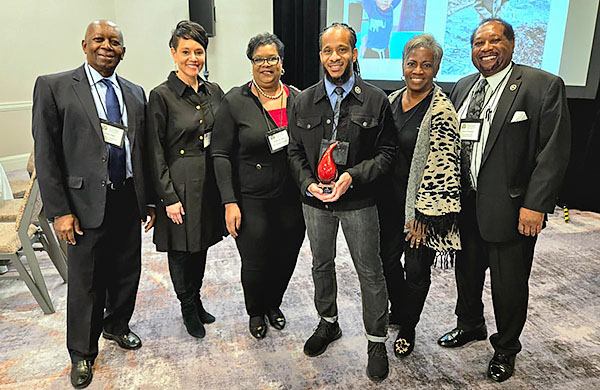
Dr. Antonio McLaren was recognized for his dedicated service and leadership as vice president for program innovation and implementation for the 1890 Universities Foundation. The foundation and 1890 administrators honored him during the January Association of Extension Administrators and Association of 1890 Research Directors Joint Winter Business Meeting in New Orleans, Louisiana.
"His work strengthened high‑impact programs and elevated the foundation's national presence," said Dr. Felecia M. Nave, president and CEO of the 1890 Universities Foundation. "We are grateful for the foundation he helped build and wish him continued success in his next chapter."
1890 communicators serve on 2026 National Land-grant Impacts Database Communications Team
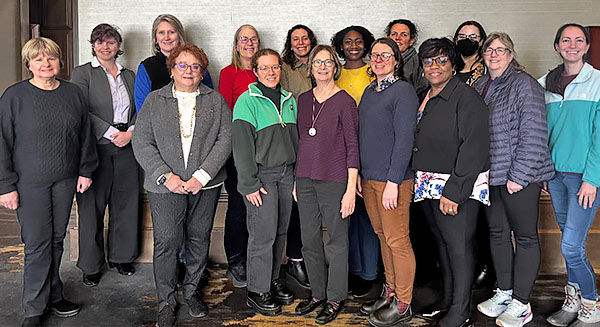
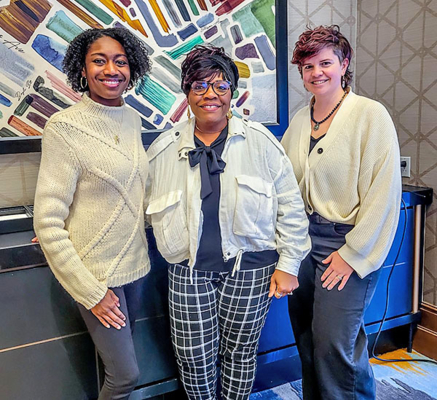
Latasha Ford of Fort Valley State University, Sonya Moore-Davis of Langston University and Amy Carpenter-Driscoll of Virginia State University served as 1890 representatives on the 2026 National Land-grant Impacts Database (NIDB) Communications Team.
The team is made up of professional agricultural communicators from across the land-grant system. In early 2026, members reviewed more than 1,200 newly submitted impact statements and selected standout examples to feature in educational articles, fact sheets and a video.
The Association of Public and Land-grant Universities and the United States Department of Agriculture’s National Institute of Food and Agriculture use these materials throughout the year to highlight the work of the land-grant university system. Read the featured impacts on the NIDB website.