
Extension Today
News from and about the 1890 Land-Grant Extension SystemMessage from the Chair

Dr. Raymon Shange, 1890 Extension Administrator, Tuskegee University
Leadership in Extension takes many forms, from visionary administrators shaping statewide programs to steadfast professionals strengthening communities day after day. This issue of AEA Extension Today is dedicated to "Celebrating Women Who Lead and Inspire," honoring the women whose dedication, resilience and service continue to advance Extension’s mission.
These women exemplify transformative leadership. With more than a century of collective service across every major Extension discipline, their journeys reflect both the breadth of opportunity within Extension and the power of women who refuse to limit themselves. Their leadership reminds us that Extension thrives when experience, accessibility and mentorship come together.
I would like to recognize all of the women leaders who actively serve as members of the Association of Extension Administrators: Dr. Carolyn Williams, Prairie View A&M University; Vonda Richardson, Florida A&M University; Dr. Jennifer Well-Marshall, Alabama A&M University; Dr. Tiffany Franklin, Southern University Ag Center; Dr. Alcinda Folk, Central State University; Manola Erby, Alcorn State University; Dr. Gulinal Ozbay, Delaware State University; and Dr. Claudette Smith, North Carolina A&T State University. It is all of your leadership that continues to shape the future of 1890 Cooperative Extension.
Fond farewell to community friend
By Wendi Williams
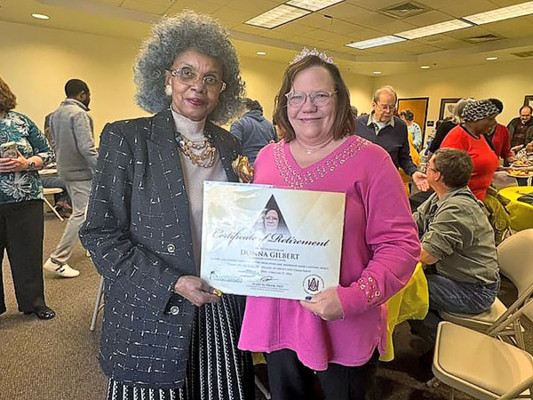
A woman who leads and inspires aptly describes Donna Gilbert, the recently retired manager of Alabama A&M University’s (AAMU) Agribition Center. The Alabama Cooperative Extension System staff manages the daily operations of the Agribition Center. So, for more than 22 years, Gilbert and her team made sure things ran smoothly at the center week after week.
As manager, Gilbert oversaw the successful implementation of a wide range of events. Her strengths certainly are event planning and building collaborative partnerships, but it is her personal touch that made a difference. During her retirement reception, countless people from commissioners to scientists all shared the same story – when their event ended, they felt more like a friend than just an exhibitor or an event coordinator.
Memorable events at the center include rodeos, NASA’s national Break the Ice Challenge, the South’s Best Robotics Challenge and the North Alabama Ag Expo, now going into its third year. Gilbert has also garnered her share of awards from organizations like the Master Gardeners of North Alabama, Madison County Soil & Water Conservation District, and the Alabama Mountains, Rivers and Valleys Resource Conservation & Development Council, who continue to support Agribition Center activities today.
Now a bustling hub of activity, there is no doubt that Gilbert has successfully positioned AAMU’s Agribition Center as the venue to consider for community events that promote education, STEM initiatives and small farmers throughout North Alabama.
Four decades of service: Manola Erby’s lasting impact on Mississippi communities
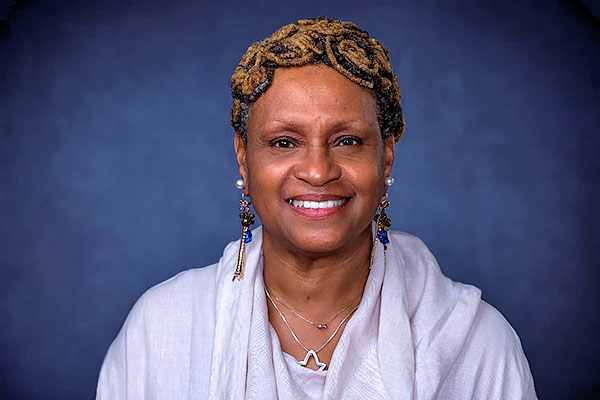
For more than four decades, Manola C. Erby has been a constant presence in communities across Mississippi, working through the Alcorn State University Extension Program (ASEP) to educate, uplift and guide generations of young people and families.
She began her career in 1984 in Pike County as a home economics and youth educator, stepping into communities with a simple but powerful purpose to help people build better lives through education. What followed was not just longevity, but growth. Over the years, Erby has served in multiple roles across ASEP, including area coordinator, family life and child development specialist, 4-H youth development specialist, acting associate director and now assistant program director for Extension programs. Each position expanded her reach, but her focus remained the same, serving people where they are and helping them move forward.
Erby’s impact can be seen in both the lives she has touched and the programs she has helped build. Through her leadership, young people across Mississippi have gained access to 4-H programs that promote leadership, healthy living, workforce readiness and agricultural awareness. Her work has consistently focused on reaching limited-resource communities, ensuring that opportunity is not limited by circumstance.
Over the course of her career, Erby has secured and supported more than $1.3 million in grant funding to expand youth development initiatives across the state. These investments have supported programs such as Health Rocks, Healthy Habits, Tech Changemakers and youth agriculture initiatives, creating hands-on learning opportunities that equip young people with practical skills and real-world experiences.
Nourishing families, cultivating change: The enduring impact of Cheryl Best-Wells
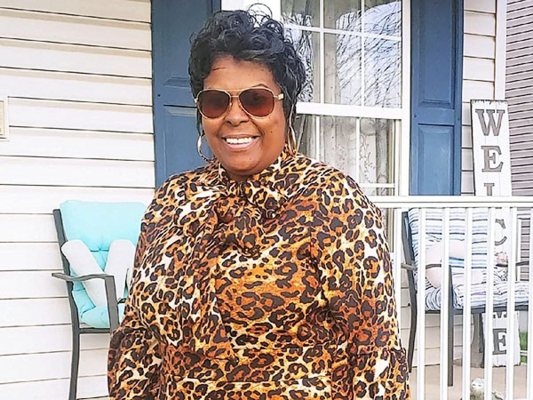
Some people clock in. Cheryl Best-Wells shows up. As shelter manager and case manager at Shepherd's Place Homeless Shelter in Delaware, she has spent more than 11 years supporting families through some of their most challenging times, working with Delaware State University’s Expanded Food and Nutrition Education Program (EFNEP) to make sure that healing also means nourishing meals.
Families who arrive often face the added burden of poor nutrition, along with other challenges. Diets heavy in fast food and processed meals contribute to obesity, diabetes and heart disease, problems that can start early in life. Best-Wells has seen this up close.
"A lot of people don't know the importance of nutrition," she said. "They come in used to junk food. That's what they know. But when they come here, they're being taught there are other ways to eat."
Since 2016, quarterly EFNEP workshops have brought cooking skills and meal planning directly to Shepherd's Place. More than 750 families have discovered that fresh, wholesome food can be accessible and life-changing. One mother and her teenage daughter started cooking together during shelter sessions, and when they moved into their own home, they carried that tradition with them.
"Life is what you make it," Best-Wells reflects. "If you want to do better, you'll do it."
This Women's History Month, we recognize women who know that community wellness often starts in the kitchen. Best-Wells has put this belief into action for over a decade.
"This is my passion. This is what I'm called to do," she said.
Celebrating leaders, inspirers of FAMU Extension
In recognition of Women’s History Month, Florida A&M University’s Cooperative Extension Program proudly celebrates women whose leadership, mentorship and dedication continue to inspire communities across Florida.
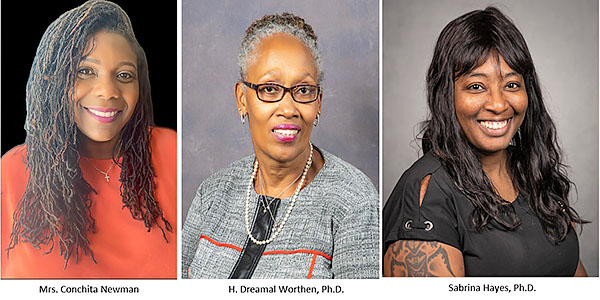
Conchita Newman, 4-H program leader and associate director, has served in Extension for 14 years. She chose Extension because it connects university resources with the real needs of communities. Through 4-H youth development, Newman helps young people build leadership skills, explore careers in agriculture and science, and grow into confident changemakers. She shares that what inspires her most is seeing young people discover their voice and realize their potential.
“Leadership is about service, mentorship and creating opportunities for others to succeed," Newman said.
With 16 years in Extension, Dr. H. Dreamal I. Worthen, youth, family and community program leader and EFNEP coordinator, was drawn to Extension through her passion for community-focused work. Originally working in research, she transitioned to Extension to engage more directly with people. Worthen values the dynamic nature of Extension, where each day brings new opportunities to make a difference. Whether through a single workshop or multi-year initiatives, she finds fulfillment in seeing the real-time impact programs have on individuals, families and communities.
Dr. Sabrina R. Hayes, who has served six years in Extension, leads innovative 4-H STEM programs focused on engineering, robotics and 3D printing. She is passionate about creating hands-on learning experiences that spark curiosity and expand opportunities for young people. Hayes believes leadership means serving with purpose and empowering others to explore, innovate and succeed.
Together, these leaders exemplify the mission of FAMU Extension, strengthening communities through education, mentorship and service.
Caribbean connections
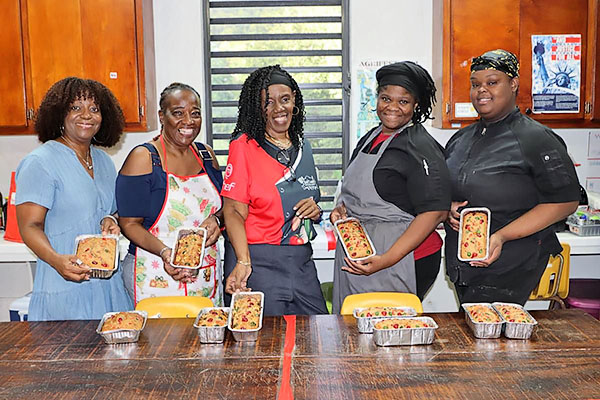
By ChaNaè Bradley
White sand beaches, palm trees and roughly 1,400 miles of sea separate the tropical landscape of U.S. Virgin Island St. Thomas from the pine trees, peach fields and pecan orchards of Fort Valley, Georgia.
Carol Shoy, a Fort Valley State University (FVSU) alumna, was willing to leave the Caribbean comfort she’d known her whole life for the unknown countryside. The exchange was the opportunity to earn a degree in a discipline she had grown to love. In high school, she developed an interest in home economics education, now called family and consumer sciences.
As an FVSU student, she was able to explore multiple concentrations under family and consumer sciences. This included family and child development, food and nutrition and clothing and textiles. Likewise, Shoy was introduced to Cooperative Extension and learned about the outreach mission of land-grant universities.
Although she initially desired a career in Cooperative Extension, Shoy’s career began in education. After graduating with her degree in home economics education in 1990, she moved back to St. Thomas. Now at the age of 60, the St. Thomas native noted her joy comes from seeing her students find their passion and pursue it.
“My biggest accomplishment is seeing students who go away, and they major in agriculture, or they major in an area that is associated with family and consumer sciences,” Shoy said.
Reflecting on her accomplishments and journey, she attributes much of it to her undergraduate experience.
“I'm really proud to be a Fort Valley State graduate. It's one of the best decisions I've made throughout not only my career, but my life,” Shoy said.
Joni Nelson helps small farmers grow across Kentucky
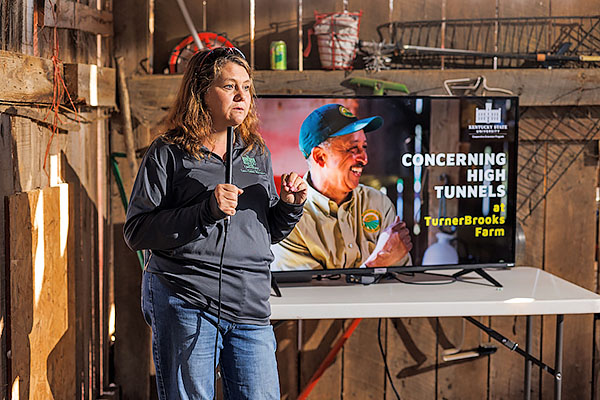
In Kentucky State University’s Cooperative Extension Program, Joni Nelson’s work reflects the practical, people-centered mission of the land-grant tradition. As manager of the Center for Sustainability of Farms and Families and an Extension associate, she helps connect producers with resources, guidance and opportunities that make a lasting difference for farm families and rural communities.
One of the clearest examples is Kentucky State’s Small-Scale Farm Grant Program. Since 2012, the university’s Center for Sustainability of Farms and Families has approved 1,450 on-farm projects across 116 of Kentucky’s 120 counties, totaling $5.06 million in direct support. The program helps farmers improve their operations, strengthen the marketability of their products through value-added enterprise and build agricultural knowledge through education and training.
That work continues to grow. Building on the program’s strong record, the Kentucky Agricultural Development Fund approved an additional $1.4 million in November 2025 to further empower small-scale farmers through expanded education, training, hands-on demonstrations, outreach and the Mini-Grants Program.
Reflecting on a decade of involvement with the effort, Nelson has captured its impact simply: “It is not a ‘small’ grant to them. It is a life-changing event.”
Nelson’s contributions also extend to the annual Kentucky Small Farmers Conference, one of Kentucky State’s signature Extension events. The conference brings producers together for learning, networking and recognition while highlighting the real-world impact of Extension across the Commonwealth. At the 27th annual conference in November 2025, Kentucky State recognized Anthony and Eymlin Brooks, small-farm grant recipients, as the 2025 Small Farmers of the Year — an example of the stewardship, innovation and commitment that Extension helps foster.
Langston legacy: Celebrating women who lead, inspire
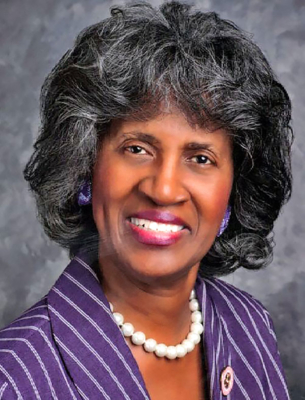
Leadership and inspiration are hallmarks of women whose dedication strengthens communities and opens doors for future generations. Joyce Henderson exemplifies this legacy through more than 50 years of service in education, mentorship and civic leadership.
Henderson began her educational journey at Dunjee High School in Spencer, Oklahoma, where civil rights icon Clara Luper mentored her. Through that mentorship, she traveled with Luper to Washington, D.C., where she witnessed Dr. Martin Luther King Jr. deliver his historic “I Have a Dream” speech, an experience that helped shape her lifelong commitment to leadership, education and community service.
After graduating from Dunjee High School in Spencer, Oklahoma, Henderson attended Langston University, earning her bachelor’s degree in 1968. She continued her academic pursuits with a master’s degree from the University of Central Oklahoma in 1972 and a secondary school administration certificate from the University of Oklahoma in 1973.
Following her studies, she returned to the Dunjee school district to teach social studies, beginning a distinguished career in education.
Henderson later served as principal at several Oklahoma City high schools, including Emerson, Classen, Northeast and Star Spencer. She eventually became the first principal of the reopened Classen School of Advanced Studies, where the street in front of the school now bears the name Joyce A. Henderson Drive in recognition of her leadership.
During the final decade of her career with Oklahoma City Public Schools, Henderson served on the superintendent's cabinet as executive director of school and community services. Through her leadership and mentorship, she continues to embody the Langston University legacy of education, opportunity and community impact.
Women driving agricultural innovation, impact at Lincoln University

By Sarah E. Davis
Women in the College of Agriculture, Environmental and Human Sciences at Lincoln University of Missouri are helping shape the future of agriculture through research, teaching and community outreach. Faculty members Waana Kaluwasha, Jessica Epple-Farmer, Victoria Uyanga and Tatijana Fisher demonstrate leadership by combining scientific expertise with mentorship, service and adaptability. Their work reflects the evolving nature of agriculture, a field that now extends beyond traditional farming to include science, technology, education and global development.
Plant pathologist Waana Kaluwasha studies diseases affecting crops such as sweet potatoes and tomatoes while sharing her findings through Extension programs and public outreach. She prioritizes interactive learning through workshops, learning circles and educational exhibits, emphasizing that effective leadership requires openness to feedback, adaptability and a willingness to learn from mistakes.
Jessica Epple-Farmer focuses on reproductive science in rams, researching how nutrition influences semen quality and livestock productivity. In addition to her research, she leads Extension programs, organizes international disease symposiums and manages a community garden that connects people with food production. She views agriculture as an applied science and believes leadership involves service and helping communities access knowledge.
Animal science professor Victoria Uyanga teaches courses in animal reproduction, welfare and small ruminant production while mentoring students through several campus organizations. She encourages young women to pursue agriculture with confidence and highlights the importance of communication, collaboration and adapting to emerging technologies.
Poultry specialist Tatijana Fisher supports small and medium-sized poultry producers through hands-on workshops and applied research. By translating scientific advancements into practical solutions, she helps producers address real-world challenges while strengthening connections between research and agriculture.
NC AgrAbility Director Crystal Cook-Marshall finds practical ways to address farmers’ needs
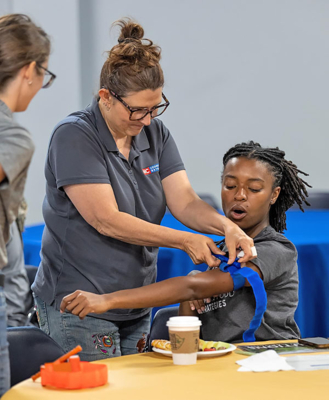
From her roots deep in Appalachia, to the streets of Harlem, to the hills of Hollywood, Crystal Cook-Marshall, Ph.D., makes it a point to find out what is needed and how to address it in a practical manner.
“That’s where I really excel, I guess,” said Cook-Marshall, director of NC AgrAbility and agromedicine coordinator for Cooperative Extension at North Carolina A&T. “What I’m good at is coming in and assessing what needs to happen.”
Through NC AgrAbility, Cook-Marshall helps agricultural workers with disabilities find ways to keep being productive through adaptive technology, modifications to work environments and accommodations. Her work also supports the Farm and Ranch Stress Assistance Network-NC, which connects farmers with resources to help them with the mental health challenges of being in the agricultural business.
“There’s almost no other group that we ask so much from,” Cook-Marshall said. “They put their physical and financial and collateral and family at risk in order to produce food for someone else. Nobody else in any other sector would do all of this or put up with being expected to do all of that.”
Cook-Marshall, 54, grew up “around cows and coal” in Bluefield, West Virginia. The daughter of a sharecropper mother and a printer father, she jokes that she would have been voted least likely in high school to go into farming.
Smith recognized for decades of service improving community health
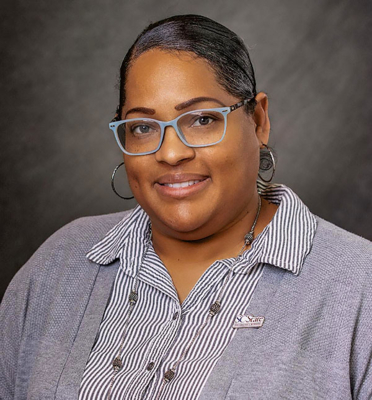
Shawn Smith, family nutrition and health agent for the Pee Dee region with South Carolina State 1890 Research & Extension, is being recognized as a leader who inspires through service and impact. In December 2025, she received the 2025 Ishmel Washington Excellence in Extension Award, one of the organization’s highest honors.
With more than 20 years of experience in Extension, Smith has dedicated her career to improving the health and well-being of individuals and families across South Carolina. Her work focuses on nutrition education, chronic disease prevention, food safety and promoting healthier lifestyles through hands-on programming and outreach initiatives.
Smith combines expertise with compassion, fostering strong community partnerships and encouraging civic engagement to build healthier, more resilient communities.
A graduate of Coker University, Smith has also been recognized by the South Carolina Extension Association of Family and Consumer Sciences with awards in family health and wellness, food safety and teamwork. She is a member of the American Association of Family and Consumer Sciences and a participant in the 2023 Extension Emerging Leadership Initiative.
“Receiving the award was an honor and a humbling experience,” Smith said. “This award represents the importance of the work we do in Extension every day. I share this honor with all families, children, youths and partners who trust and support the Extension program.”
Women in agriculture spotlight on Dr. Tiffany Franklin
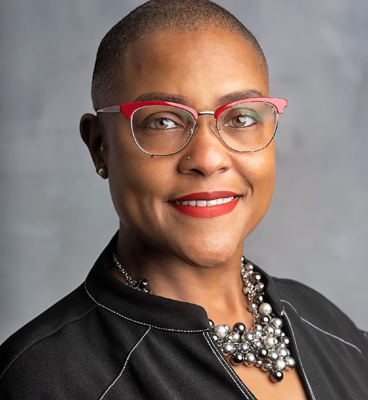
Dr. Tiffany Franklin, vice chancellor for Extension and outreach, has worked in nearly every area of the Southern University Ag Center’s Cooperative Extension Program. Franklin has been employed with the SU Ag Center for 21 years.
“I have worked across all areas in Extension,” expressed Franklin. “I’ve worked in the family and human development area, I’ve worked as the youth development specialist, I’ve worked in ag and natural resources and had some collaborations with community development. So, I’ve worked in all of the areas."
Outside of the SU Ag Center, Franklin was employed for two years with the United States Department of Agriculture as a program specialist in the Office of Partnerships and Public Engagement. When asked what advice she had for women who wanted to pursue a career in agriculture, Franklin encouraged women not to sell themselves short.
“Just because it sounds like a male-dominated field, there’s a place for women in agriculture,” she explained. “If you look at leadership on a national level now, we have a lot of women in high-ranking positions, and that did not happen in the past. So, I would just tell them, don’t limit yourself, because as I stated earlier in my story, I had no idea that I could work with people while in this space. Don’t put yourself in a box, keep an open mind and be open to trying new things.”
Dr. LaPorchia Davis advances athlete health with 'Tumble Tamer' innovation
By Charlie Morrison
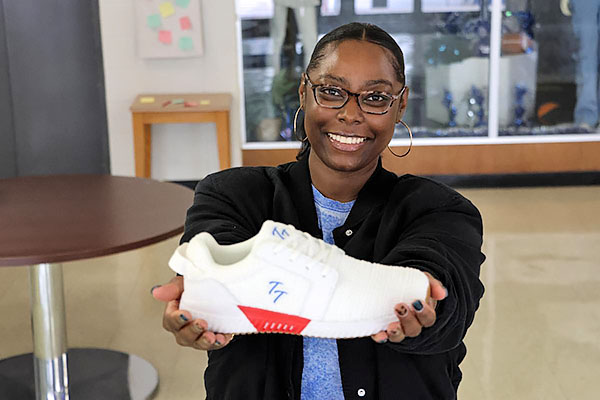
At Tennessee State University’s (TSU) College of Agriculture, faculty innovation often grows at the intersection of research, technology and real-world impact. Dr. LaPorchia Davis exemplifies that spirit through her pioneering Tumble Tamer project, an initiative designed to protect the long-term health of historically Black college and university cheerleaders.
A faculty member in TSU’s Department of Human Sciences and Fashion & Product Development, Davis is leading research that blends wearable technology, footwear design and biomechanics to address injury risks faced by cheer athletes. Cheerleading requires explosive tumbling, repeated high-impact landings and intense training, all of which can place significant stress on the sacroiliac (SI) joint, a key connection between the spine and pelvis.
Tumble Tamer seeks to reduce that risk through sensor-equipped smart footwear that collects biomechanical data as athletes move. The technology allows researchers and trainers to monitor how the body absorbs impact during training, providing insights that can help athletes adjust their technique and reduce long-term strain.
The project is supported through funding from the United Negro College Fund in partnership with Google, highlighting the growing role of HBCU faculty in advancing technology-driven solutions to real-world challenges. Davis' work reflects a broader research focus on health-centered footwear design. In earlier projects, she explored shoe concepts aimed at supporting individuals with diabetes, demonstrating how thoughtful design can improve mobility and prevent injury.
Through Tumble Tamer, Davis continues to push boundaries in product development and athlete health, serving as an inspiring example of the leadership and innovation driven by women faculty at TSUAg.
Honoring LaTanya Hunt-Haralson
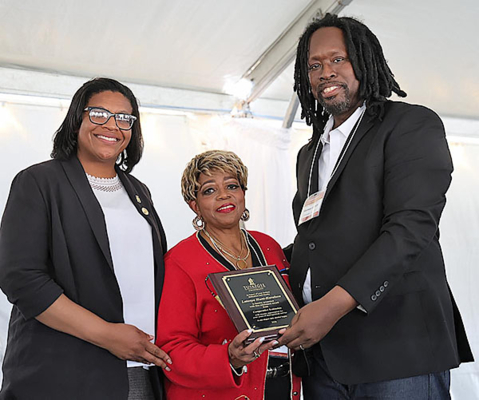
Tuskegee University wants to acknowledge LaTanya D. Hunt-Haralson for Women’s History Month. Her dedication to Tuskegee University Cooperative Extension spanned more than three decades. She served as a county Extension agent in the Family Consumer Science Department, working extensively throughout the Black Belt counties of Barbour and Bullock in Alabama.
Her work focused on family and consumer science, health and wellness education, and community outreach. She was also certified as a health community adviser. Hunt-Haralson earned her degrees from Purdue University and Tuskegee University. Throughout her career, she provided leadership in developing and implementing Extension team projects designed to provide education and outreach in nutrition, youth development and family support services. She also helped publicize ongoing educational and public relations programs to inform community organizations, agencies and the general public of Extension programs and activities.
Earlier in her career, Hunt-Haralson gained 10 years of counseling and student support experience at Tuskegee University. She served as a comprehensive counselor in the School of Veterinary Medicine, where she worked closely with students to support their academic and personal development. She also served as a tutorial counselor and coordinator with the Student Support Services Program (TRiO), assisting students through academic tutoring, mentoring and guidance designed to promote student success and retention.
Throughout her tenure at Tuskegee University, Hunt-Haralson worked closely with community members, organizations and Extension partners to deliver impactful educational programming and resources. Her career reflects a strong commitment to community service, education and the mission of Tuskegee University.
Hunt-Haralson recently retired from Tuskegee and was recognized during the 134th Farmers Conference for her devotion to the university.
Dr. Nina Lyon Bennett provides leadership, inspiration to UAPB students
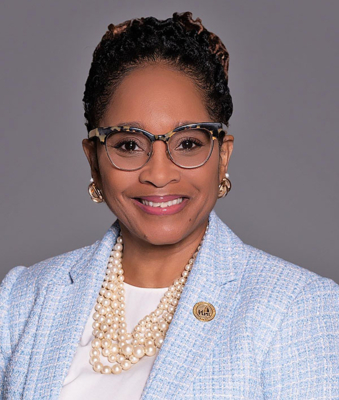
Dr. Nina Lyon Bennett, professor and assistant dean for academics for the University of Arkansas at Pine Bluff School of Agriculture, Fisheries and Human Sciences (SAFHS), not only provides leadership for academics, but she also engages in all three prongs of the land-grant mission – teaching, research and Extension.
Bennett is responsible for fostering excellence in the academic mission of the School and for providing creative leadership to department chairs as it relates to student mentoring and recruitment, retention and timely degree completion. She also assists SAFHS faculty with program enhancement, implementing student support programs and supporting professional development opportunities.
Her 30-year career has spanned roles as a faculty member, department chair, assistant dean for academics and now full professor.
“Leadership, for me, is deeply relational. Through peer-to-peer and career mentoring initiatives, I am committed to supporting students and emerging professionals as they navigate systems not always designed with them in mind,” she said. “I believe that true leadership is measured not by titles, but by impact – by the confidence built, opportunities opened and communities strengthened.”
For the past four years, Bennett has sponsored 40 students in SAFHS to participate in the Arkansas Women in Agriculture Conference. Last year,she presented a workshop at the conference. This year, she has been invited to be the opening speaker.
“Her workshop last year was well-received, and her enthusiasm and ability to connect with the audience made a lasting impression,” said Lindsey Holtzclaw, president of the board of the Arkansas Women in Agriculture.
Nutrition educator teaches people healthy food choices for improved lifestyles
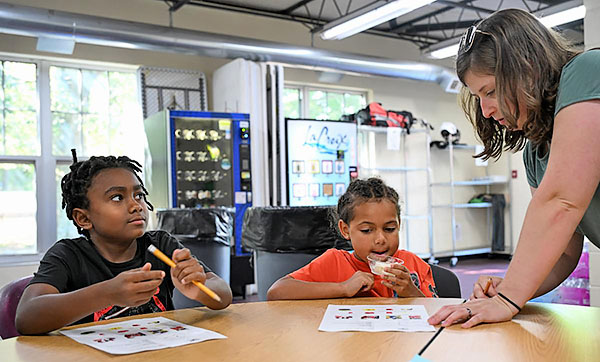
University of Maryland Eastern Shore (UMES) Extension’s Katharine Lenehan is helping lead the charge in providing nutrition education and outreach to at-risk groups in its service area. The nutrition assistant educator is boots on the ground delivering UMES’ Family Nutrition and Health Program’s evidence-focused activities.
The program’s staff relay information and hands-on learning to bring home the importance of healthy eating, meal planning, food purchasing and budgeting, and safe food handling. It serves families, youths and adults with the goal of equipping them with practical knowledge to make informed food choices and decisions toward a healthier lifestyle.
Lenehan, who has been a part of the program for three years, coordinates with local agencies, organizations and after-school programs to deliver activities under the Expanded Food and Nutrition Education Program. She is food safety certified and brings more than 14 years of related industry experience.
“Food-based nutrition education empowers people to take control of their health. I start every class by informing participants that there is no judgment. My role is to give them tools to understand how healthy food choices can help prevent or delay chronic diseases and support longer, healthier lives,” she said.
Lenehan said a lesson on fruits and vegetables is among her favorites to deliver, as it sparks curiosity when it comes to tomatoes. Are they a fruit or a vegetable? Participants are surprised, she said, to learn that tomatoes are considered both. They have seeds like a fruit but are treated as vegetables in culinary uses.
Virginia State University shines spotlight on women leading the way in Extension
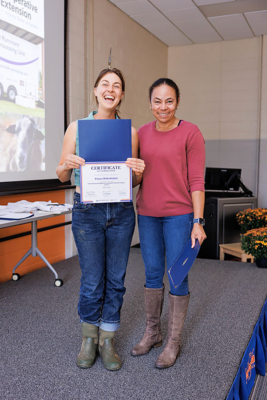

At Virginia State University, women in Extension leadership bring unique experience and a commitment to serving Virginia communities. Two such leaders, Doris Heath and Dr. Dahlia O’Brien, are shaping Extension’s future with inspired and steady leadership.
Heath has worked in Extension for 37 years and currently serves as a program leader. O’Brien, a professor and Extension lead for Animal-HERDS, has more than 20 years of experience in Extension. Both leaders were drawn to Extension through their passions. O’Brien discovered early in her career that she enjoyed working directly with farmers to support food systems. Heath, inspired by her mother’s involvement in an Extension Homemaker club, found Extension was a perfect fit for her independence and creativity.
While their leadership styles have evolved over time, both Heath and O’Brien emphasize collaboration and empathy. “I want to help people work together, collaborate and partner, and look at every moment as an opportunity to create something,” says Heath, who always makes herself accessible to her team when they need a helping hand. O’Brien’s leadership style has grown over time to focus on intentionally creating space for colleagues to contribute and take ownership of their work.
Both also recognize modern challenges facing Extension, including declining public awareness and the spread of online misinformation. “To remain effective, we must strengthen how we market our value, raise program visibility and ensure our audiences know where to find trusted, science-based information,” says O’Brien.
Despite these hurdles, Heath and O’Brien remain committed to Extension’s mission, providing trusted, research-based knowledge to improve lives and strengthen communities.
Robin’s Pantry: Supporting McDowell County grandfamilies
By Alisha Jarrett
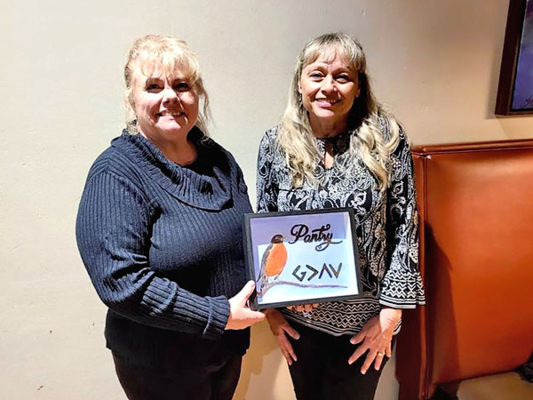
In McDowell County, West Virginia, a collaborative effort is making a lasting impact for grandparents raising grandchildren. Robin’s Pantry, created by community advocate Robin Lock in partnership with West Virginia State University Extension Service’s Healthy Grandfamilies program and Northfork Children’s Home Society, provides essential support to these grandfamilies, many of whom struggle to access basic hygiene and household supplies.
Each month, Robin’s Pantry distributes carefully curated bags of toiletries and cleaning materials, valued at $30, to around 30 grandfamilies in need. Lock and her husband personally travel from their home in Hagerstown, Maryland, to West Virginia to volunteer, ensuring each family receives not just essential supplies but also a sense of community and personal connection.
Lock’s leadership has inspired a network of local donors and supporters, transforming what began as a single act of compassion into a sustainable, community-driven program. Through strategic purchasing and dedicated volunteerism, Robin’s Pantry has become a critical resource, providing more than just material goods — it delivers hope, dignity and reassurance to families who need it most.
Thanks to Lock’s unwavering commitment, grandfamilies in McDowell County know they are not alone. Her vision continues to demonstrate the profound impact that one individual, supported by a caring community, can achieve.