
Extension Today
News from and about the 1890 Land-Grant Extension SystemMessage from the Chair

Dr. Raymon Shange, 1890 Extension Administrator, Tuskegee University
Cooperative Extension programs at 1890 Land-grant Universities play a vital role in building healthier, more resilient communities through nutrition and food safety education. Grounded in research and delivered through trusted community connections, these programs equip individuals and families with the knowledge and skills needed to make informed choices that support long-term health and well-being.
Extension professionals engage communities through a wide range of outreach efforts, including the Expanded Food and Nutrition Education Program (EFNEP), community health and nutrition initiatives, health fairs, workshops and hands-on learning opportunities. These programs do more than share information; they foster confidence, encourage behavior change and promote healthier lifestyles at every stage of life.
From young people learning the foundations of healthy eating to older adults seeking tools to manage chronic health conditions, the reach of Extension continues to grow. By meeting people where they are and addressing real-life needs, 1890 Cooperative Extension programs are expanding their impact across generations, improving quality of life and helping communities thrive.
Remembering Congressman David Scott

In honor of Congressman David Scott, who faithfully served as a United States representative for Georgia’s 13th Congressional District, the Association of Extension Administrators acknowledges his lifetime of dedicated service marked by a strong and enduring commitment to communities across the country.
This service included consistent advocacy for farmers, rural communities and universities that play a vital role in education, research and workforce development. Scott’s leadership and vision were instrumental in securing $80 million in funding for the 19 historically Black 1890 Land‑grant Universities, expanding opportunities in agriculture, innovation and higher education. This work has opened doors for many, leaving a lasting and measurable impact.
In March 2026, with strong bipartisan support, a significant step was taken to recognize these enduring contributions through the renaming of the “Scholarships for Students at the 1890 Institutions” program in Scott’s honor. This designation represents an important step in strengthening the capacity of the nation’s 1890 universities.
Guided by integrity, compassion and purpose, Scott’s legacy continues to inspire future generations to serve with humility, lead with courage and remain committed to advancing opportunity for all.
Healthy families start with nutrition, food safety

By Dr. Terence Martin
Today, families are occupied with many life events that often put family health on the back burner. Educating families in nutrition fosters healthier eating habits, promotes overall well-being and reduces chronic disease risks.
The Alabama Cooperative Extension System's nutrition and food safety team at Alabama A&M University helps individuals to read and understand food labels. Reading labels properly encourages people to make informed dietary choices, which can lead to eating more nutritious meals. In addition, these programs educate people about unsafe food containing harmful bacteria, viruses, parasites or chemical substances that may cause more than 200 different diseases, ranging from diarrhea to cancer.
According to the World Health Organization, an estimated 600 million people or 1 in 10 worldwide become ill each year after eating contaminated food, resulting in approximately 420,000 deaths. Food security, nutrition and food safety are closely linked. Eating unsafe food can create a cycle of disease and malnutrition, particularly among young children, older adults and people with underlying health concerns.
Therefore, safe food is essential to human health and well-being. Safe food also allows people to eat valuable nutrients that can foster long-term human development. Proper food safety practices help to maintain food that is safe to eat and rich in nutrients, improving long-term health.
Local partnership helps young people build healthier habits through nutrition education
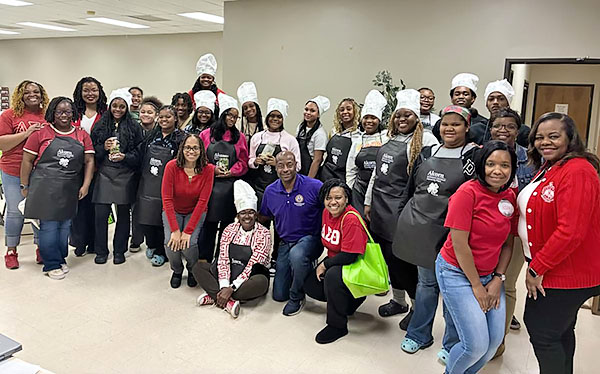
With childhood obesity rates continuing to rise across Mississippi and the nation, community organizations are increasing efforts to educate young people about nutrition, healthy eating and active lifestyles through hands-on learning opportunities.
According to the Centers for Disease Control and Prevention, approximately 1 in 5 children and adolescents in the United States are affected by obesity, placing them at greater risk for chronic conditions such as Type 2 diabetes, high blood pressure and heart disease later in life. Mississippi continues to rank among the states with the highest obesity rates in the country, reinforcing the need for early nutrition education and wellness outreach initiatives.
In response to those concerns, the Clinton Alumnae Chapter of Delta Sigma Theta Sorority Inc. partnered with the Alcorn State Extension Program (ASEP) to host a Healthy Living Youth Workshop focused on educating children about healthy food choices, nutrition and physical activity.
The workshop provided participants with interactive activities designed to promote healthier lifestyle habits in fun and practical ways. Students learned about balanced nutrition, healthy snack alternatives and the importance of incorporating fruits and vegetables into their daily diets.
Participants also prepared healthy fruit smoothies as part of a hands-on activity aimed at teaching children and families how nutritious foods can be both accessible and enjoyable. Organizers said the workshop encouraged students to think more intentionally about the foods they consume while exposing them to healthier meal and snack options they can recreate at home.
Nourishing families one habit at a time
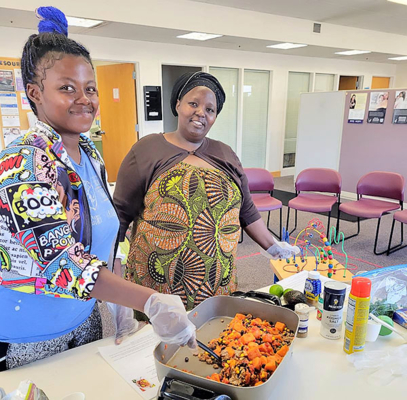
At the heart of Central State University Extension’s Expanded Food and Nutrition Education Program (EFNEP) is a guiding belief: “Empowering limited-resource individuals and families to improve their nutritional well-being through education, peer delivery and practical hands-on learning.”
“EFNEP teaches families how to make healthy food choices and build lifelong healthy habits on a limited food budget,” said Southern Region EFNEP Educator Tanya North. “We make our classes fun and hands-on, which keeps our participants excited to learn and come back weekly.”
Through this practical approach, participants don't just learn about nutrition — they experience it. For S.P. (going only by her initials), who enrolled while participating in the Women, Infants and Children (WIC) program, the impact was life-changing. Following the loss of a deeply wanted pregnancy, she needed motivation to re-engage with daily life.
“I found myself slipping into depression. I needed something to get me out of the house,” she said. “The nutrition and cooking classes taught by Ms. Tanya helped me [to] try new recipes and learn how to prepare foods I wouldn’t have tried on my own.”
Through weekly lessons, S.P. explored ingredients like lentils and couscous, built confidence in the kitchen and rediscovered a sense of purpose — changes that extended to her family.
“I take what I’ve learned home to show my son and let him try it,” S.P. said. “I’ve learned what to look for on nutrition labels and how to meal plan better to cut costs for my household. This class meant a lot to me, and I’m very happy I participated.”
Building healthier families through nutrition, food safety
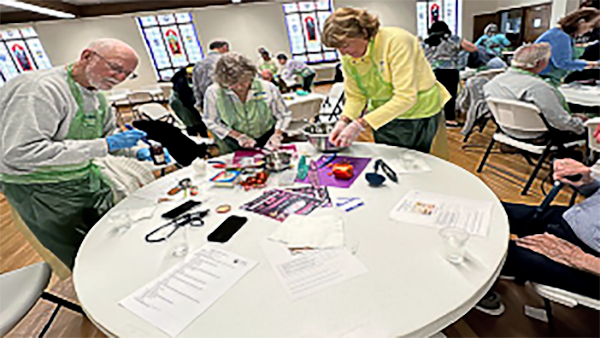
The Delaware State Community Health and Nutrition Program continues to make a positive impact by promoting healthy lifestyles and improving food safety awareness throughout the community. Since 2026, the program has successfully conducted five outreach training events and six workshop sessions, reaching more than 534 individuals, including families, young people, older adults and local community members.
The outreach activities focused on healthy eating habits, Mediterranean diet, portion control, choosing whole grains, chronic disease prevention and the importance of food safety in preventing illness. Participants learned practical ways to prepare balanced meals, reduce health risks and make healthier choices for their families. Educational materials, healthy recipes and community wellness resources were also shared to encourage long-term healthy living and informed decision-making.
In addition to nutrition outreach, the program organized ServSafe certificate workshops for community members interested in food service and safe food handling practices. More than eight full training sessions were completed, helping participants gain professional knowledge and valuable certifications that may support future employment opportunities in the food industry.
The impact of the program has been significant. Families reported improved eating habits, increased confidence in preparing nutritious meals and greater awareness of food safety practices at home. Community members also gained skills that support healthier lifestyles and stronger community wellness. Through continued outreach, education and partnerships, the initiative aims to build a healthier, safer and more informed community for future generations.
Eat well, live well: Supporting older adults in building healthier families
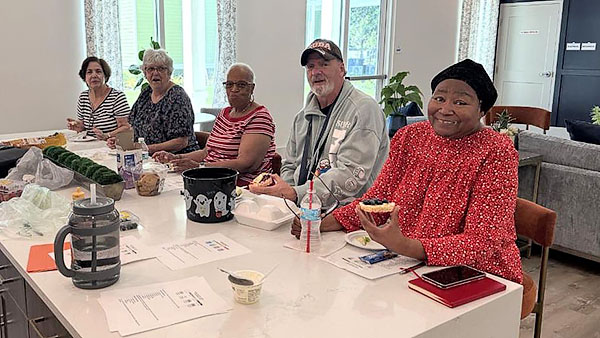
At the Di Casa Francesco Apartments in Tampa, Florida, the Eat Well, Age Well senior program continues to make a meaningful impact by promoting healthier lifestyles through nutrition education and safe food practices. Led by Florida A&M University Cooperative Extension Agent Maurice Collier, the program brings older adults together for engaging sessions focused on building knowledge, confidence and healthier habits that extend beyond the individual to influence families and communities.
Designed to provide practical, easy-to-understand guidance, Eat Well, Age Well equips participants with essential tools to make informed nutrition decisions in their daily lives. Program topics include heart-healthy eating, blood pressure management, reducing sodium intake, diabetes management, portion control and making nutritious choices on a budget. Emphasis is also placed on food safety practices, helping participants understand proper food handling, storage and preparation to protect their health and the well-being of their households.
Each session encourages interaction and discussion, allowing participants to share personal experiences while strengthening their understanding of nutrition and food safety. A highlight of the program is the hands-on component, where participants enjoy healthy snacks that reinforce the day’s lesson. These demonstrations bring concepts to life, showcasing simple, safe and nutritious food options that can easily be incorporated into everyday routines.
Through this program, participants not only gain valuable knowledge but also become empowered to make healthier choices and share those practices with their families. Eat Well, Age Well fosters a sense of community, wellness and lifelong learning, reinforcing the importance of nutrition and food safety in building stronger, healthier families.
Bringing health education, wellness to county workers
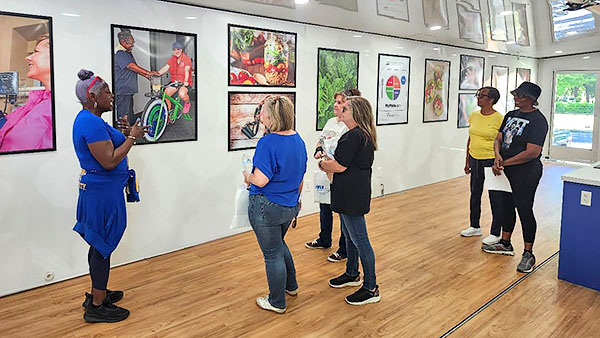
Terralon Chaney, Fort Valley State University (FVSU) Twiggs County Extension agent, strengthened workplace wellness and community health by hosting the Twiggs County Health Fair for county employees. The event brought together resources from a neighboring county health department and FVSU Extension to deliver practical, hands-on education that participants could immediately apply to daily life.
County workers took part in a guided 2-mile walk through the city, reinforcing the importance of regular physical activity for chronic disease prevention. Participants also received fresh vegetables to encourage healthy eating at home, along with vegetable seedlings for container gardening and pollinator seed packets to support sustainable food production and garden enhancement.
Interactive learning stations inside the FVSU Mobile Health Unit helped participants better understand chronic conditions such as hypertension and diabetes, translating complex health information into clear, actionable steps. By combining physical activity, nutrition access and experiential education in one setting, the health fair increased awareness, built skills and motivated participants to make healthier choices.
The event demonstrated Extension’s role in improving quality of life by meeting people where they are and connecting health education to everyday practices that support long-term well-being.
Soilless agriculture takes root through DARE-KY symposium
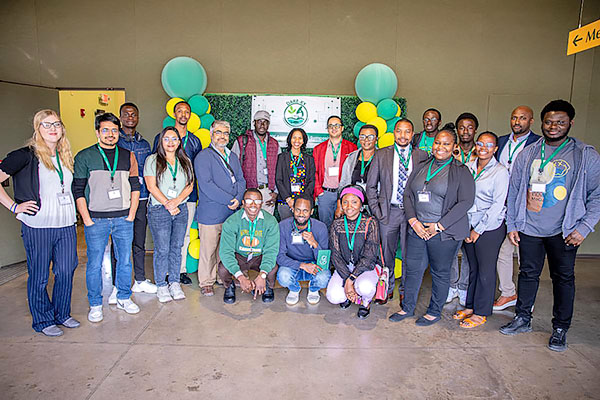
At Kentucky State University, the future of food production is taking shape without soil.
The first DARE-KY AgTech Symposium, held April 21 at the University’s Harold R. Benson Research and Demonstration Farm, brought researchers, students, public-sector partners, community collaborators, colleagues from colleges and universities, and agtech companies together to explore soilless agriculture and its role in Kentucky’s food systems.
DARE-KY (Driving AgTech Research and Education in Kentucky) is led by principal investigator Dr. Avinash Tope, associate dean for academics and associate professor of human nutrition and food safety. The initiative is supported by a $7 million National Science Foundation (NSF) award, the largest NSF grant in Kentucky State history.
Benson Farm, the heart of Kentucky State’s land-grant efforts, provided a fitting setting for a conversation centered on innovation, applied research, outreach and service. The event highlighted hydroponics, where plants grow in nutrient-rich water, and aquaponics, which connects plant production with aquaculture. Its focus reached beyond production, speaking to food security, water stewardship, student learning, workforce preparation and practical applications for Kentucky communities.
That water-stewardship focus matters, said Dr. Tyrell Kahan, associate Extension administrator.
“Soilless agriculture systems, such as hydroponics and aquaponics, enhance water resilience by using less water than traditional farming methods,” Kahan said. “They also allow for efficient water recycling and help reduce vulnerability to drought and changing climate conditions.”
Through DARE-KY, Kentucky State and its partners are building knowledge and opportunities connected to healthier families, resilient food systems and the future of agriculture across the Commonwealth and beyond.
From strawberries to science: Langston University builds healthier families through nutrition, food safety
By Sonya Moore-Davis, Director, Media & Communications, LU-SL/SAAS
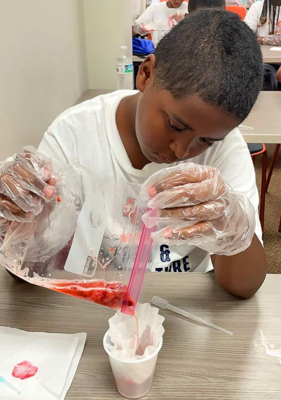
The Langston University Sherman Lewis School of Agriculture & Applied Sciences (LU-SL/SAAS) Program Cluster of Expanded Food and Nutrition Education Program (EFNEP) is strengthening families and communities by engaging young people in interactive nutrition and food safety education. Through hands-on learning, EFNEP helps young people develop practical skills, healthier habits and the confidence to make informed choices that positively influence their households.
As part of a recent youth nutrition outreach activity, students participated in an interactive strawberry extraction demonstration led by Dr. Yonathan Tilahun, research scientist/assistant professor of LU-SL/SAAS, that introduced the science behind fruits, nutrition and food safety in a fun and memorable way. During the activity, participants observed how strawberries could be broken down to reveal DNA strands while learning the importance of proper food handling, handwashing, cleanliness and safe preparation practices. The demonstration connected science, agriculture and nutrition in a meaningful way, sparking curiosity and reinforcing the vital role these concepts play in everyday health and well-being.
The activity also created valuable opportunities for conversations about the nutritional benefits of fresh fruits, healthier snack choices and the key role fruits and vegetables play in supporting overall wellness. By combining experiential learning with practical nutrition education, LU-SL/SAAS EFNEP helps young people deepen their understanding of the connection between healthy foods and healthy lifestyles.
Programs like these advance the land-grant mission of community outreach and education by equipping youths and families with knowledge that promotes long-term health, strengthens food safety awareness and builds more resilient communities.
Lincoln University leads efforts to support family, community health
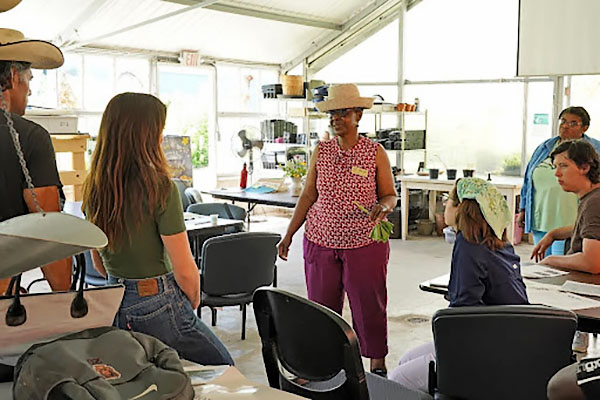
Lincoln University of Missouri (LU) is advancing family and community health through research, education and Extension programming focused on nutrition, food access, gardening and food safety. Faculty and staff across the state are working to help individuals make informed choices that support long-term well-being.
Judith Mutamba, state Extension specialist for human nutrition and health, emphasizes that nutrition is the foundation of overall health. She notes that many families face barriers to healthy eating because affordable foods are often heavily processed and low in nutrients, while fresh, nutrient-dense options can be expensive or difficult to access. She also points to the social stigma associated with food assistance programs, which can prevent some individuals from using resources like food pantries, even when fresh produce is available through farmer donations.
Nutrition assistant Staroyce “Star” Nealy works directly with communities, particularly in the Kansas City region, to promote practical nutrition strategies tailored to individual needs. She stresses that there is no universal approach to health and that education empowers people to make choices that fit their bodies and lifestyles.
Bryan de Valdivia encourages home gardening to improve food quality and nutrient intake. He recommends beginners start with simple, fast-growing crops to build confidence.
Meanwhile, Sujan Acharya focuses on food safety research, identifying common kitchen practices that contribute to foodborne illness. Together, these efforts reflect LU’s mission to provide practical, research-based guidance that helps families build healthier habits for future generations.
Fresh & Local Market quadruples SNAP benefits for community
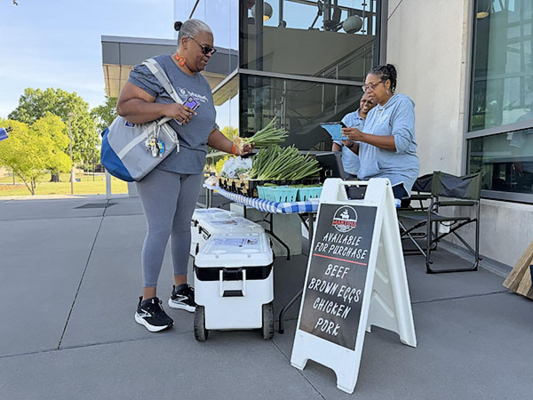
At a time when most Supplemental Nutrition Assistance Program (SNAP) benefits seem to be shrinking, those offered through the Fresh & Local Market at North Carolina A&T State University are increasing. That’s good news for people in the local community who are trying to stretch their dollars.
For every $1, SNAP recipients can receive $4 worth of fresh produce at this year’s market, which concludes on Aug. 26. The market is open from 10 a.m. to 2 p.m. Wednesdays outside of the Alvin V. Bount Jr. Student Health Center.
The market began in 2023 and is funded by a grant from the Gus Schumacher Nutrition Incentive Program’s Produce Prescription and Nutrition Incentive, from the U.S. Department of Agriculture's National Institute of Food and Agriculture.
“It started out as double bucks, then we tripled it, and then this final year, we're quadrupling it,” said Shewana McSwain, Try Healthy coordinator for Cooperative Extension at N.C. A&T.
The Fresh & Local Nutrition Incentive Program, led by Rosalind Dale, Ed.D., vice provost for engagement and outreach at N.C. A&T, is a collaborative initiative. This multidisciplinary project team includes McSwain; Yolanda Nicholson, DNP, of Student Health Services; and Raymond Samuel, M.D., Ph.D., professor of biology in the College of Science and Technology.
McSwain said she sees families coming back again and again. “They’re benefiting from the produce,” she said. “They talk about how their families are eating better.”
Seeds of Change Conference promotes nutrition, food safety through hands-on learning
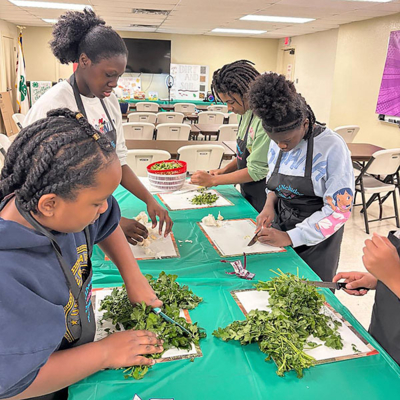
Prairie View A&M University Extension brought nutrition, food safety and agriculture together through the Seeds of Change: Our Food, Our Future Conference, equipping families with practical skills to improve health and increase access to safe, nutritious foods.
A total of 69 participants attended the conference, reflecting strong community interest in food, health and sustainability. The event reflects the 1890 Extension mission to strengthen communities through education in nutrition, health and sustainable food systems.
Adult participants engaged in sessions focused on herbs for health, safe and intentional food selection, regenerative soil practices, container and small-space gardening, and hydroponic food production. These topics emphasized how to grow, select and prepare nutrient-dense foods safely while improving household food access. As a result, more than 90% of participants reported gaining practical knowledge they can apply at home, while more than 80% indicated increased motivation to make healthier food choices. Many participants also expressed plans to grow their own food, strengthening both food safety and food security.
Youth participants explored nutrition and food safety through interactive learning experiences connecting science and agriculture. Sessions included agriculture-based literacy activities, hands-on exploration of DNA in food and introductions to food and agricultural entrepreneurship. Nearly 90% of young people reported enjoying the hands-on activities, demonstrating increased awareness of food science and safe food practices.
By connecting food production, nutrition and safety, the conference empowered participants to make informed choices that support individual and community health.
Diving Into Diabetes workshop promotes healthier families through nutrition
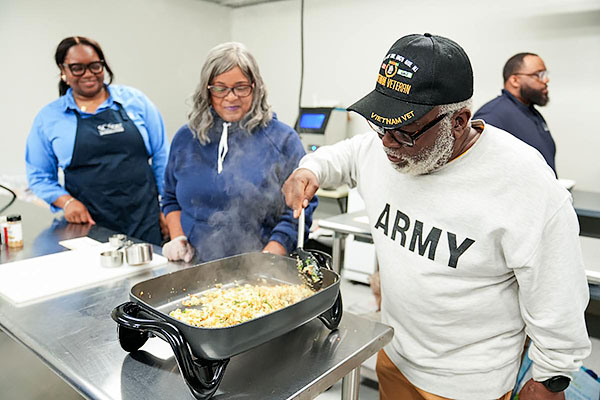
South Carolina State 1890 Research & Extension’s “Diving Into Diabetes: Know Your Numbers” workshop educated community members on the importance of proper nutrition in diabetes prevention and management while encouraging healthier lifestyles for families of all ages.
The workshop focused on increasing awareness and understanding of key health indicators related to diabetes prevention and management, including blood glucose levels, blood pressure, cholesterol and body mass index. Participants learned recommended target ranges and how healthy eating, physical activity and regular medical checkups can improve overall health outcomes.
The session introduced attendees to diabetic-friendly eating through simple nutrition tips, portion control strategies and smart ingredient substitutions to help manage blood glucose while maintaining balanced nutrition. Participants took part in a live cooking demonstration, hands-on cooking activities and a tasting session featuring recipes including beef stroganoff, cauliflower rice, chicken lettuce wraps, chocolate mousse and apple iced tea.
“The tips provided in this workshop are universal,” said Derrick Smalls, Midlands region family, nutrition and health agent. “Understanding what to eat and how much to eat is important to people of all ages. The camaraderie created while preparing recipes together contributed to strengthening families during the workshop in Orangeburg, especially with a mother and son who left the workshop with a plan to prepare healthier dinners together at home using the recipes and nutrition tips they learned during the session.”
Through programs like this, SC State Public Service & Agriculture continues to make a lasting impact by equipping communities across South Carolina with the knowledge and resources needed to build healthier lives and families.
Strengthening families through nutrition, food safety
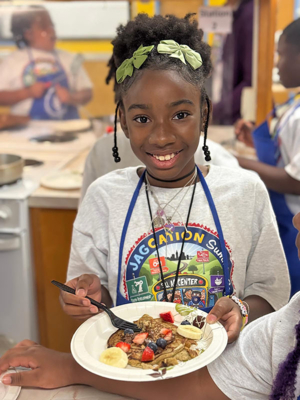
By Si-Arah R. Jones, Extension Outreach Agent
The Southern University Ag Center continues to strengthen families across Louisiana by providing hands-on nutrition and food safety education for both young people and older adults. Through community-focused outreach, the Ag Center equips residents with practical skills that support healthier households and safer food practices.
Food safety and healthy meal preparation are woven into youth programming, including activities offered through summer camps such as the JAGcation Summer Camp for children ages 9-11. Campers explore simple ways to make everyday foods healthier, such as preparing whole-wheat pancakes or choosing ingredients that add more nutrients to familiar recipes. These lessons help children understand how small changes in the kitchen can support long-term wellness while reinforcing safe food handling and proper hygiene.
The Ag Center also engages older adults through interactive food demonstrations that blend safety education with easy, flavorful recipes. One highlight includes preparing a homemade dill sauce paired with fresh vegetables, giving participants the opportunity to practice safe preparation techniques while exploring new, healthy flavors. These sessions create a welcoming environment for learning, conversation and confidence-building in the kitchen.
By reaching both young people and older adults, the Southern University Ag Center promotes healthier families across generations. Through practical education, shared experiences and community connection, the Ag Center remains committed to empowering Louisiana residents with the knowledge and skills to make safe, healthy choices every day.
Lifelong nutrition skills through Teen Cuisine
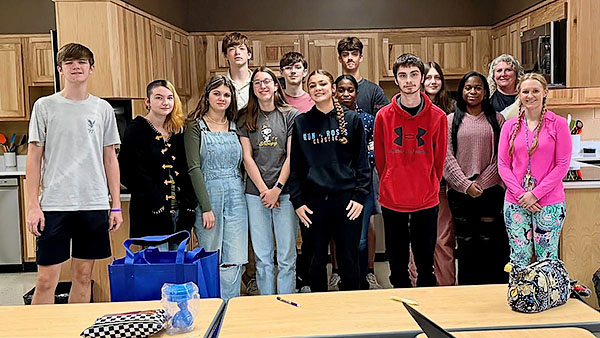
Students at Stewart County High School are building lifelong nutrition and food safety skills through a partnership with Tennessee State University’s Expanded Food and Nutrition Education Program (EFNEP). Through the Teen Cuisine curriculum, students in Nutrition Science and Nutrition Across the Lifespan classes are gaining hands-on experience that supports healthier individuals and families.
Led by EFNEP Program Assistant Sharon Shope, the program combines interactive lessons with practical cooking experiences. Students explored topics such as making smart food choices, understanding fats and added sugars, and the importance of balanced meals — key components of building healthier households. Lessons like Power Up with Breakfast and Watch for Added Sugars helped students better understand how daily food decisions impact long-term health.
Each session included simple, budget-friendly recipes such as fruit smoothies, chicken quesadillas and fresh salsa. These hands-on activities reinforced essential food safety practices, including proper handwashing, safe food handling and kitchen safety.
As a result, students developed confidence in preparing meals at home, reading nutrition labels and making informed choices for themselves and their families. One student shared that the program “made healthy cooking feel easy and something I can actually do at home.”
By equipping young people with practical nutrition knowledge and food safety skills, EFNEP is helping build a foundation for healthier families and stronger communities across Tennessee.
Supporting families in building healthier lifestyles
By Dr. Millicent Braxton, Program Leader
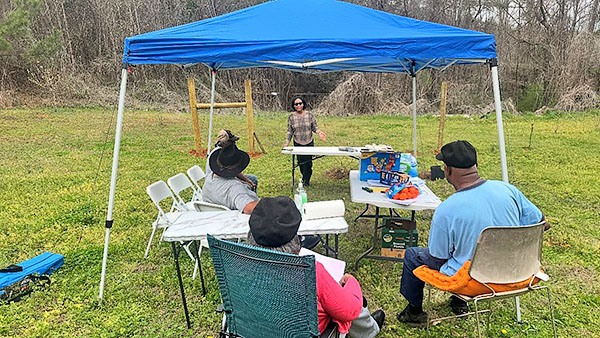
Tuskegee University’s Family and Consumer Sciences (FCS) Extension team continues to make a meaningful difference in communities by helping individuals and families build healthier lifestyles. Through practical programs and community engagement, Extension agents are connecting nutrition, food safety and overall well-being in ways that people can truly relate to and apply in their daily lives.
Jamilah Arrington, FCS Extension agent, is focused on supporting families through programs that bring together nutrition and mental wellness. Her work centers on giving individuals the knowledge and confidence to make healthier choices for themselves and their families. One of her upcoming programs, the Sisters Rooted in Rising Cohort (September-October), will allow participants to engage in conversations around nutrition, self-care and mental health.
Tameka King, FCS Extension agent, is also making an impact through efforts that promote healthy eating within the community. In recognition of National Nutrition Month, a nutrition education program was held at the Eutaw Activity Center for older adults. The session focused on simple, practical ways to improve daily nutrition. Through a smoothie-making demonstration, participants had the opportunity to see how easy it is to prepare nutritious drinks with everyday ingredients.
Gladys Hlorgbe, FCS Extension agent, brings nutrition education into everyday community spaces, making it practical and easy for people to connect with. During a muscadine workshop, she shared information about the importance of fruit consumption and how it supports overall health. By being present in settings that are familiar to the community, she helps make nutrition education more relatable and easier to apply.
UAPB building healthier families through nutrition, food safety education
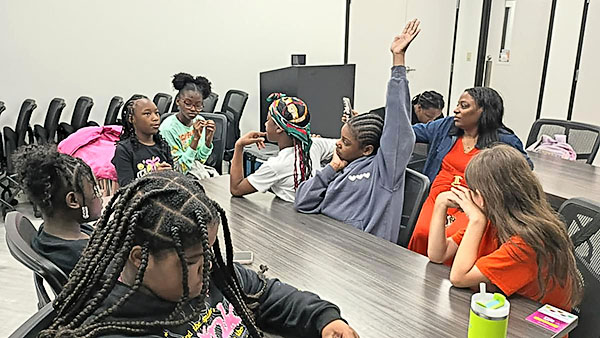
The Expanded Food and Nutrition Education Program (EFNEP) at the University of Arkansas at Pine Bluff focuses on improving diet quality, physical activity and food resource management for families facing economic challenges, according to Rachel L. Luckett, family and consumer sciences coordinator for EFNEP.
Luckett said the program also works to increase food security and promote healthier lifestyle behaviors among adults and young people in Pulaski, Jefferson, Monroe and Woodruff counties.
Recent programming includes after-school nutrition education at Watson Chapel Library in Jefferson County, serving about 15 students. In Brinkley, Partee Elementary hosts two classes of about 20 students per class. Lessons cover nutrition facts labels, food groups, portion sizes and healthy choices that include fruits, vegetables and proteins.
“Some of the challenges faced by families include food budgeting and making decisions about whether it is cheaper to buy noodles versus canned, frozen or fresh vegetables,” Luckett said. “We also teach meal planning so families can prepare food that lasts more than one day instead of relying on fast food.”
Luckett said programming also reaches elementary students in Monroe County, including first and second graders, as well as adults in Brinkley who are raising children or grandchildren. In Jefferson County, EFNEP works with young people at the Targeting Our People’s Priorities (TOPPS) center and adults in sobriety living programs.
“Even small changes in what families eat and how they plan meals can lead to lasting improvements in health and well-being,” Luckett said. “Our goal is to give people practical skills they can use every day, not just in the classroom.”
UMES Extension’s Food Safety Program under new leadership

Dr. Andrea Gilbert-Eckman is the University of Maryland Eastern Shore (UMES) Extension’s new food safety specialist. The assistant professor has a 12-year background in food quality, safety and regulatory compliance. Her research has included antimicrobial treatments to improve the safety and quality of leafy greens and fresh herbs.
She is an experienced trainer in food safety and processing short courses. Gilbert-Eckman’s expertise ranges from meats, to ice cream and confectionery, to fresh produce, to general food processing design and education.
Under UMES Extension’s Food Safety Program, Gilbert-Eckman will help farmers, small food processors and food service providers safeguard the local and national food supply. Expanding producer sales through value-added products while ensuring compliance with federal and state safety regulations is a top priority.
She will assist farmers with processing, labeling and navigating food processing requirements in Maryland. Formulation parameters can be tested before samples are sent to certified labs, Gilbert-Eckman said.
The food safety specialist has been active for the past seven years in the Northeast Center to Advance Food Safety, a regional working group that provides technical support to small and very small businesses and farms for compliance with the Food Safety Modernization Act. A project with the center resulted in a paper recognized by the International Association for Food Protection as the Most Viewed Peer-Reviewed Research Publication for 2024-25. The title is Understanding the Food Safety Needs of Small and Very Small Processors in the Northeast United States: Food Safety Communicator and Regulator Perspectives.
VSU Extension supports community health through nutrition outreach
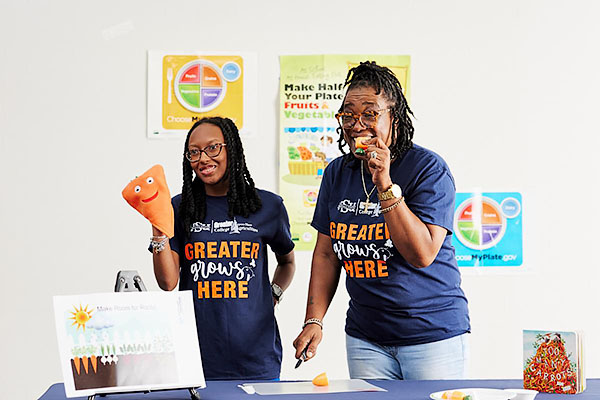
Extension at Virginia State University (VSU) is helping build healthier families and communities through nutrition education, food safety and youth wellness initiatives despite recent and real challenges facing Virginia families.
Addison Caldwell is VSU’s Expanded Food & Nutrition Education Program Extension associate in the family nutrition program. Serving with Extension for nearly three years, Caldwell combines her background in dietetics and nutrition with a passion for empowering young people to make healthier choices.
Partnering with schools, after-school programs, community centers, libraries, summer camps and farmers markets, Caldwell provides nutrition and physical activity education to K-12 youths, particularly in low-resource communities. Programs range from brief educational workshops to six-part lesson series that teach practical skills such as reading nutrition facts labels, following MyPlate guidelines, preparing healthy meals on a budget and practicing safe food handling.
Her work extends beyond promoting healthy eating habits. By teaching young people how to safely prepare food, shop economically and make informed nutrition decisions, Caldwell’s programs help encourage lifelong healthy behaviors. Participants are also introduced to new foods and recipes while learning the importance of physical activity and disease prevention.
Caldwell notes that many Virginia families face continuing challenges such as rising food costs, limited access to nutrient-dense foods and widespread nutrition misinformation. Despite these challenges, she has seen measurable improvements in youth knowledge and behaviors, according to EFNEP measures.
This year, Caldwell is hoping to expand her programming to include adult EFNEP education, further helping families build healthier habits through accessible nutrition education.
Cooking up confidence
By Alisha Jarrett
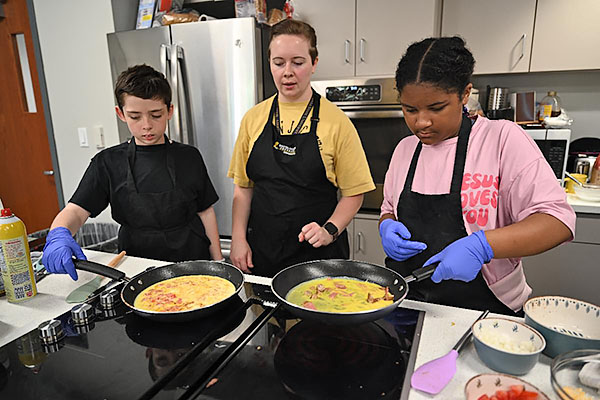
When Alexandra Cruikshank led her first kitchen demo for West Virginia State University’s Expanded Food and Nutrition Education Program, she quickly realized that middle schoolers wanted more than a cooking lesson — they wanted real skills and confidence to cook at home. Inspired, Cruikshank created a cookbook for kids ages 11 to 15, blending approachable recipes with practical food safety tips and the science behind them.
“I wanted to show kids the ‘why’ behind safe cooking, not just the rules,” she explained.
The cookbook features recipes like yogurt parfaits, roasted chicken and homemade pasta, with zucchini bread a surprise favorite. But its purpose goes beyond the kitchen: Cruikshank sees home cooking as a path to better health for West Virginia’s families, who often rely on processed foods due to limited resources.
“Better nutrition can help prevent diseases like diabetes,” she noted.
With "Chef Challenge" prompts and hands-on guides on knife and stovetop safety, the book encourages kids to experiment, adapt and take pride in making their own meals. Cruikshank hopes these skills and newfound confidence will inspire lifelong healthy cooking habits. The "Kids in the Kitchen" cookbook is finishing its pilot phase and will be released later this year.